
 By IQnewswire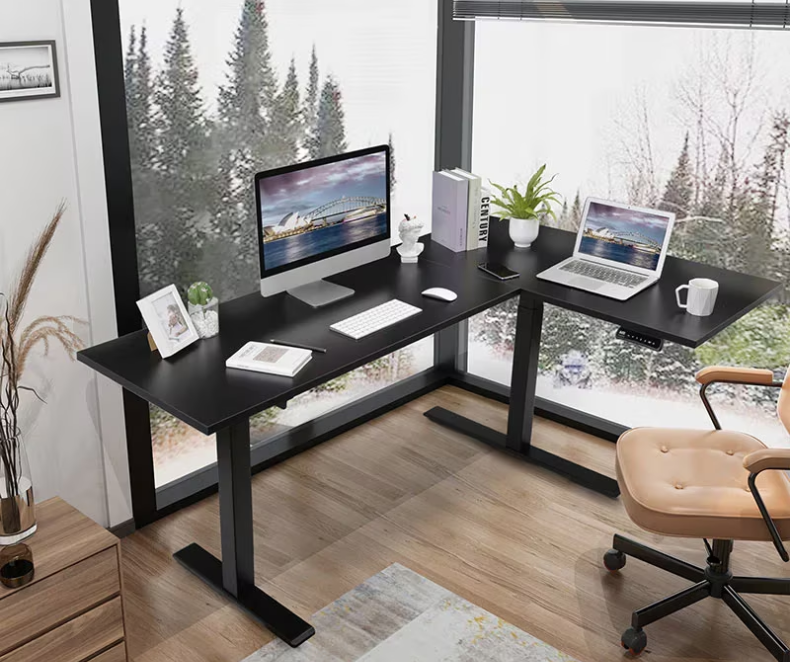
Most people spend time deliberating over paint colors or choosing the right sofa but rarely pause to think critically about their desk. It holds a laptop, collects mail, and becomes a catch-all surface — until the back aches, the deadlines pile up, and the workspace starts feeling more like a burden than a base. The desk is one of the most consequential pieces of furniture in a home, and how it is built, sized, and placed has a measurable effect on how well anyone functions within it.
The Psychology of a Dedicated Work Surface
There is a reason therapists and productivity researchers emphasize the value of spatial separation between rest and work. When a space is consistently used for a single purpose, the brain begins to associate that location with the corresponding mental state. A well placed desk — one that is proportionate to the room, anchored with intention, and free of visual noise — trains the mind to shift into a focused state more readily. Contrast this with a makeshift setup on a dining table or a cramped corner that doubles storage, and the cognitive load becomes noticeably higher. The physical environment shapes the mental one, not the other way around.
Material Matters More Than Aesthetics
Solid hardwood construction is not just a style of preference — it is a functional one. A desk built from cherry, walnut, or maple offers stability and weight that keeps the surface steady during typing, writing, or drawing. The tactile quality of natural wood also contributes to comfort in ways that are easy to overlook: there is less vibration, less flex, and a surface temperature that stays neutral rather than cold. Particleboard and laminate alternatives may replicate the look, but they wear faster, respond poorly to humidity fluctuations, and often lack the structural integrity to support monitors, printers, or additional hardware over time.
Sizing and Layout Shape Daily Habits
An undersized desk forces constant reorganization. Documents get stacked over tools; cables tangle across work surfaces, and the act of clearing space before beginning becomes its own procrastination ritual. A desk scaled to the actual tasks being performed — with enough surface area for a monitor at proper distance, reference materials within arm’s reach, and room for a writing pad — removes those friction points entirely.
For those with dedicated rooms or larger open-plan spaces, corner desks maximize square footage without requiring a larger footprint. Those working in tighter layouts benefit from side desks or writing desks that prioritize vertical organization. When browsing office desks in Portland, ME, the range of configurations available reflects just how different each person’s working style and spatial reality can be.
Height, Posture, and the Long Game
Desk height is one of the most overlooked contributors to chronic discomfort. Standard desk heights assume an average seated posture, but bodies differ, and so do chairs. A desk that sits too high forces shoulders into a shrug that strains the neck over time. One set too low round the spine forward, compressing the lower back. Sit-stand or lift desks address this directly, allowing adjustment throughout the day — a practice supported by occupational health research showing that alternating between seated and standing positions reduces fatigue and musculoskeletal strain during prolonged work sessions.
The Desk as a Signal of How You Value Your Work
There is something worth examining in how a workspace is set up. A desk that is deliberately chosen — not inherited by default or purchased as a temporary fix — communicates something about how seriously a person treats their work environment. This is not about spending more time. It is about buying with intention. A piece built to last, made from durable materials, and designed for actual use does not need to be replaced every few years. It becomes part of the room’s character rather than something to work around.
Bringing It All Together
The desk is where ideas become action. It is where projects begin and where decisions are made. Treating it as an afterthought in the home means underestimating how much the physical act of sitting down to work is shaped by what you sit down to. A thoughtful choice — one that accounts for size, material, height, and placement — pays dividends in focus, comfort, and how the workday feels from start to finish.
When the right desk is in the right place, work does not feel like a battle against the environment. It feels like the environment is working with you.