
 By Otis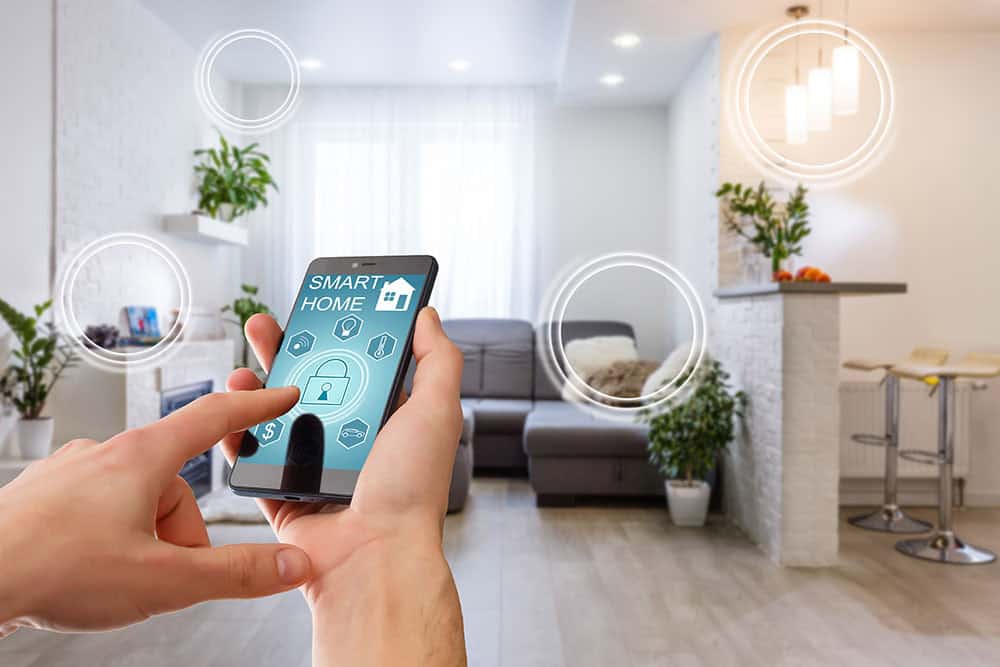
Utilizing internet-connected gadgets, a smart home offers remote control and monitoring of systems such as heating and lighting. Smart home technology allows people to control smart devices, usually via a smart home app on their smartphone or another connected device, providing them with security, comfort, convenience, and energy efficiency.
Domotics, which comes from the Latin word ‘domus’, which means home, is another name for it. Internet of Things (IoT) devices and smart home systems often operate together, sharing usage information and automating tasks based on the preferences of the residents.
By adjusting to your needs and lifestyle, smart home technology can improve the functionality of your space while maintaining a smooth and unified interior design. Even though some smart installations and products may cost more, their advantages—such as their energy, time, and usage efficiency—usually outweigh this.
Smart Security Technology
Smart security systems are essential for maintaining the safety and security of your home. These cutting-edge systems provide a number of features to protect your home and provide you with comfort. There are many options available to meet your unique security needs, ranging from smart locks and alarms to doorbells and smart camera systems.
Ring Alarm is a well-known smart security system that provides a full suite of security tools that are simple to install and operate from a smartphone. The Ring Alarm offers a comprehensive home security solution with features like motion detection, two-way audio, and expert monitoring services.
The Nest secure system, which consists of a number of gadgets like smart cameras. The Nest Secure system provides a high level of security and convenience by enabling you to remotely lock or unlock your doors, monitor your house from any location, and receive alerts for suspicious activity.
Home Automation Technology
Mark Hanson, Founder of SunTino Solar Lights said, homeowners interact with their living spaces in a revolutionary way, thanks to home automation systems that orchestrate the various components. This technology streamlines interactions and improves convenience by allowing homeowners to control numerous smart devices from a single, centralized interface.
From creating complex security procedures to instituting daily routines, like making coffee every morning, this control can take many forms. The Amazon Echo, which is one of the top home automation gadgets, lets users operate smart home appliances with voice commands, thanks to Alexa! It is an essential component of any smart home setup due to its compatibility with a wide range of third-party products.
The Google Nest Hub is another high-end smart gadget that offers complete control for managing smart homes. Its user-friendly touch screen and Google Assistant integration allow users to control home operations like turning on/off lights, monitoring security cameras, and adjusting the temperature for the thermostat.
Smart Sensor Technology
In order to facilitate smooth and effective communication between different automated systems, sensors serve as the foundation of a smart home’s sensory network.
A key component of smart thermostats is temperature sensors, which enable them to track and change the inside temperature in response to current conditions and occupant preferences. By optimizing energy use, these sensors lower utility costs while maintaining a comfortable living environment.
Motion sensors play an important part in automated lighting systems. They improve convenience and energy efficiency by detecting movement in a space and turning lights on or off appropriately. An additional layer of security can be added by integrating these sensors with security systems to notify homeowners of any suspicious activity.
Smoke detectors are another form of sensor used for fire detection. These detectors monitor for signs of fire or smoke and promptly notify homeowners, allowing them to take instant action to avert possible catastrophes. Some smart smoke detectors, in addition to their primary function, can interact with other devices, such as smart speakers, to send alerts throughout a home, even to smartphones.
Energy-Efficient Smart Thermostat Technology
Jeff Johnson of Simple HomeBuyers said, keeping your home’s climate comfortable is crucial to designing a warm and welcoming living space. With the help of smart thermostats’ sophisticated climate control features, you can lower your heating and cooling expenses and save energy.
Smart thermostats can help you minimize energy waste and create the ideal climate by allowing you to remotely adjust temperatures, set schedules, and even learn your preferences over time.
The Nest Learning Thermostat is a well-known smart thermostat that learns your schedule and preferred temperature using sophisticated algorithms, then automatically adjusts to save energy while you’re away.
The Ecobee SmartThermostat is another efficient gadget. This gadget has a variety of sensors to track temperature and occupancy in various rooms of your house. The Ecobee SmartThermostat provides accurate climate control that can help you save energy without compromising comfort by allowing you to set up personalized schedules for every room and modify settings according to occupancy.
Apart from their energy-saving capabilities, smart thermostats also provide easy controls via voice assistants and smartphone apps, enabling you to make changes from any location in the world.
Smart Kitchen Appliances Technology
Smart kitchen appliances can make cooking and meal preparation more fun and easy. The kitchen is frequently regarded as the center of the house. There are many choices available to meet your culinary needs, ranging from smart refrigerators and ovens to coffee makers and sous vide machines. Pre-programmed cooking modes and built-in cameras for food monitoring while cooking are just two of the cutting-edge features that smart ovens like the June Oven offer.
Smart refrigerators, such as the Samsung Family Hub, have touchscreens that can show grocery lists, recipes, and even TV shows or music while you’re cooking. Smart kitchen technology has not only produced individual appliances but also new cooking platforms such as the Instant Pot Smart WiFi. A smartphone app can be used to remotely control this multipurpose pressure cooker.
With capabilities like preset cooking modes and recipe recommendations, the Instant Pot Smart WiFi can make meal preparation easier and help you develop your culinary skills. Regardless of your level of culinary experience, smart kitchen appliances can help save time and effort while making cooking more convenient and pleasurable.
Smart Home Entertainment Technology
According to Dave Roebel, “Smart entertainment systems offer an immersive and personalized home entertainment experience.” For easy control, homeowners can connect their TVs, speakers, and streaming devices to a voice assistant or smart hub.
These improvements improve a home’s functionality and ambiance, from synchronizing the sound system with the overall ambiance to modifying the lighting according to the movie being watched. Automatic projector screens or TVs rising from consoles are also among the smart features that can be added.
Path Forward for Smart Technology
To sum up, adding these smart home appliances to your living space can help make it cozier, more practical, and more pleasurable. There are numerous options to meet every need, ranging from energy-efficient climate control with smart thermostats to improving security with cutting-edge security systems, creating a comfortable atmosphere with smart lighting solutions, and providing cutting-edge entertainment systems for audio-visual experiences.