
 By ENGRNEWSWIRE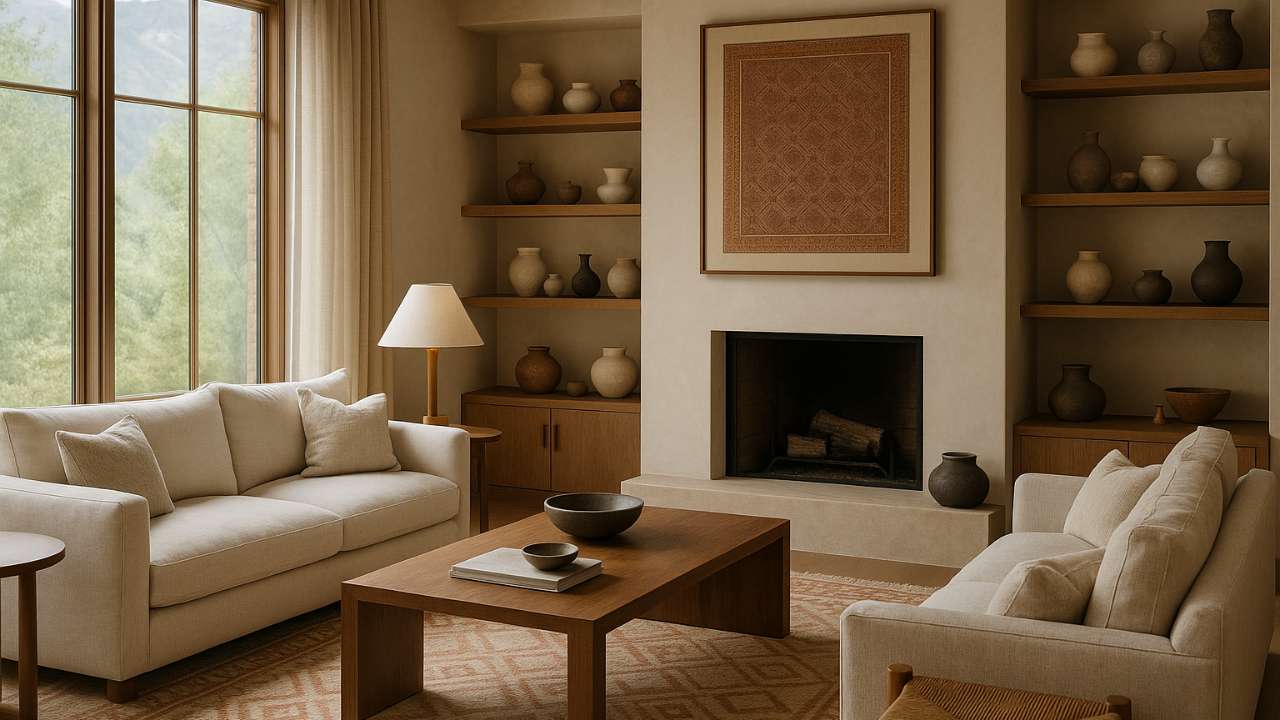
As design trends evolve, one concept has quietly yet powerfully taken root in modern interiors: cozy minimalism. This style marries the simplicity of Scandinavian restraint with the welcoming warmth many homeowners crave. For those exploring
Portland, ME living room furniture, cozy minimalism offers both sophistication and ease—an ideal blend for coastal New England living.
Rather than focusing on stark spaces or clutter-free perfection, cozy minimalism emphasizes intentional choices. It invites comfort through texture, light, and flow, resulting in rooms that feel curated but lived in. This design approach is more than a fleeting trend; it reflects a broader cultural shift toward mindful consumption and emotional well-being at home.
Why Minimalism Alone Isn’t Enough
Pure minimalism, for all its elegance, can sometimes feel cold or impersonal. The neutral palettes and sleek lines that dominate minimalist interiors can lack the warmth people subconsciously connect with home. After years of spending more time indoors, many homeowners have begun seeking balance—a calm space that doesn’t sacrifice personality.
Cozy minimalism answers that need. It replaces the austerity of “less for less’s sake” with what could be called “less, but better.” In practice, that means keeping the clean backdrop of minimalism while introducing tactile fabrics, natural materials, and meaningful personal touches. Think a cloud-like sofa paired with a wool throw, or smooth plaster walls softened by handmade ceramics and layered lighting.
How to Bring Cozy Minimalism Home
A cozy minimalist living room begins with editing, not adding. Assess what you already have and determine which pieces truly enhance the space visually and functionally. The goal isn’t an empty room—it’s an uncluttered mind. Once you’ve created that foundation, you can start layering in comfort.
- Choose quality essentials. Prioritize a few standout pieces that ground the room, suchas a well-proportioned sofa or a natural wood coffee These become the visual anchors around which everything else orbits.
- Playwith Flat surfaces look refined, but tactile contrast gives warmth. Combine boucle upholstery, linen curtains, jute rugs, and smooth ceramics for sensory depth.
- Lean into soft lighting. Avoid harsh overhead lighting and favor a mix of ambient andtask lighting—table lamps, sconces, or dimmable bulbs — that create a relaxed, lived-in ambiance.
- Embrace Handcrafted details, visible wood grain, or uneven glazing tell a story. Cozy minimalism is about authenticity, not symmetry.
- Curatemeaningful A single piece of local art or a stack of vintage books is often more powerful than a crowded shelf of accessories.
The Emotional Connection of Space
Design psychology plays a pivotal role in the appeal of cozy minimalism. Studies show that people feel calmer in spaces with clear organization and soft textures, while clutter can trigger stress and distraction. A room that feels both open and nurturing engages the senses without overwhelming them.
In cities like Portland, where the seasons bring shifting tones of gray sky and golden light, this balanced aesthetic feels particularly resonant. A minimalist backdrop captures Maine’s coastal simplicity, while the cozy elements mirror its sense of place—a region where craftsmanship, comfort, and calm coexist naturally.
Looking Ahead: Longevity Over Trends
As the design world moves toward sustainability, cozy minimalism aligns perfectly with long-term living. Its focus on intentional purchases and timeless forms encourages less waste and more thoughtful investment. Instead of chasing novelty, homeowners are embracing pieces built to last—furniture with integrity and stories worth keeping.
More brands are experimenting with materials that age gracefully, such as untreated oak, recycled fabrics, limewash finishes, and low-impact manufacturing. But even without new purchases, the philosophy thrives on restraint and reinvention. Rearranging existing furniture, repainting a wall, or simplifying decor can breathe new life into a room far more effectively than replacing everything.
The Power of Simplicity Evolved
Cozy minimalism isn’t about aesthetic trends—it’s about emotional resonance. Homes now serve as sanctuaries, workplaces, and places of restoration. In that context, a design that nurtures calm and connection feels essential, not optional.
Whether you’re furnishing a new space or refining an existing one, this modern approach proves that beauty doesn’t arise from abundance but from intention. The best living rooms of 2026 will not just look good in photographs—they’ll feel right, day after day.