
 By Allen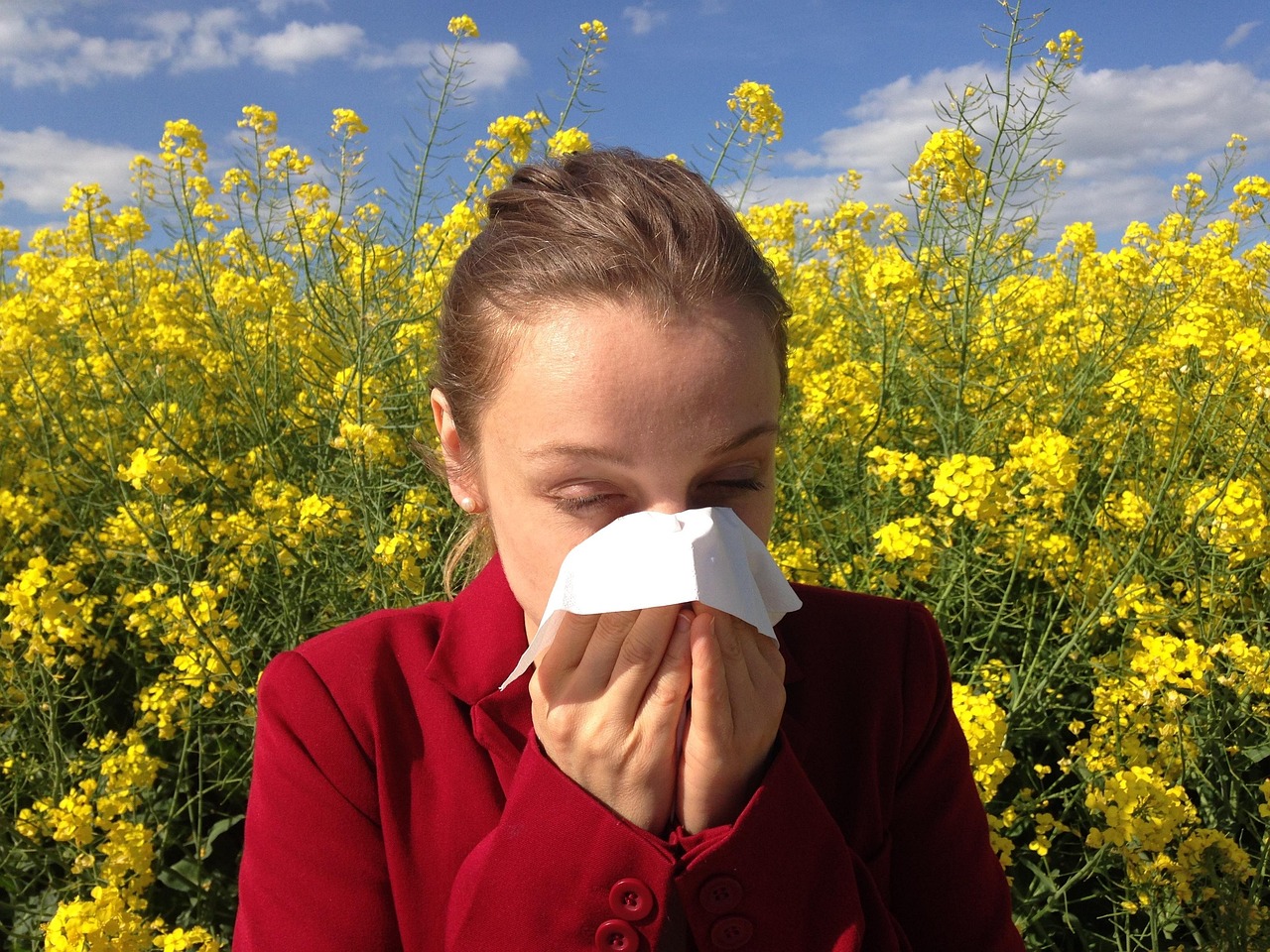
Seasonal changes often act like a stress test for the body. As temperatures shift, daylight changes, and routines adjust, the body responds in ways that can reveal long-term patterns rather than short-term issues. Some people notice mild changes that pass quickly, while others experience the same discomforts at the same time each year. Looking at health through a seasonal lens helps move the focus away from isolated symptoms. Patterns that repeat year after year often reflect underlying balance, resilience, and adaptability.
Living in Los Angeles brings unique environmental factors into play. Extended allergy seasons, dry air, air quality fluctuations, and temperature swings tend to amplify seasonal responses. Such conditions often make recurring patterns easier to recognize.
Seasonal Discomfort
Repeated seasonal discomfort often shows up in similar ways each year. Pressure, irritation, or general unease may appear during certain months and fade during others. Such patterns suggest sensitivity to environmental shifts rather than random occurrences. When discomfort repeats predictably, it often reflects how the body processes changes in air quality, allergens, and climate conditions over time.
Seeking clarity can help distinguish between temporary reactions and long-term trends. Guidance from places such as the Los Angeles Center for Ear Nose Throat and Allergy helps individuals understand how recurring discomfort connects to airway behavior, sinus response, and allergy sensitivity. Professional evaluation supports informed decisions and helps identify patterns that may otherwise feel confusing or inconsistent.
Mood Patterns
Seasonal mood changes often reflect how the body manages stress and emotional regulation. Shifts in daylight, activity levels, and social routines influence emotional balance. Some people notice irritability, low motivation, or restlessness during certain times of the year.
Repeated mood changes across seasons often point to underlying regulatory habits rather than situational stress alone. Emotional resilience develops through consistent routines, sleep patterns, and coping strategies. Seasonal mood patterns offer insight into how well those systems support mental balance over time.
Seasonal Fatigue
Fatigue that appears during the same seasons year after year often signals deeper balance concerns. Energy levels may dip during certain transitions, making daily routines feel heavier than usual. This pattern suggests the body may be working harder to adapt to environmental or routine changes.
Seasonal fatigue often reflects how well recovery systems function. Sleep quality, hydration habits, and daily pacing play a role in how energy holds up during transitions. Noticing repeated fatigue patterns helps highlight areas that may benefit from support rather than accepting low energy as unavoidable.
Digestive Shifts
Digestive changes during seasonal transitions often reveal how stable daily routines remain throughout the year. Appetite, digestion, and comfort can fluctuate as schedules shift and environmental factors change. Such responses point to how adaptable the digestive system is under varying conditions.
When digestive patterns change consistently during certain seasons, it often shows routine disruption rather than isolated food choices. Regular meal timing, hydration, and stress levels influence how digestion responds to seasonal change.
Immune Response
Increased exposure to allergens, temperature fluctuations, and routine disruptions places additional demand on immune systems. How the body responds during these periods exhibits overall resilience rather than isolated illness.
Consistent immune responses across seasons reveal long-term adaptability. Quick recovery, mild symptoms, or stable wellness during high-exposure periods suggest stronger regulation.
Airway Behavior
Seasonal congestion that returns year after year often shows long-term airway behavior rather than short-lived irritation. Nasal passages and sinuses tend to respond consistently to environmental changes such as dry air, pollution, or allergens. If congestion follows a familiar seasonal pattern, it suggests that the airways have developed predictable response habits over time.
Observing helps separate temporary discomfort from ongoing sensitivity. Congestion that lingers or returns regularly may influence breathing quality, sleep, and daily comfort.
Temperature Sensitivity
Sensitivity to temperature changes often points toward circulation consistency. Some people feel discomfort quickly during cold snaps or heat shifts, while others adjust with little notice. Seasonal sensitivity highlights how efficiently the body regulates internal temperature in response to external conditions.
Repeated sensitivity may reflect circulation patterns that struggle during transitions. Cold hands, flushed skin, or difficulty adjusting to changing temperatures often follow seasonal cycles.
Pollen Response
Reactions to pollen cycles often reveal tolerance thresholds built over time. Sneezing, irritation, or discomfort may increase during peak pollen periods, then ease as exposure drops. The consistency of these responses often reflects how the immune system handles repeated exposure rather than sudden sensitivity.
Tracking pollen-related reactions year after year helps identify long-term trends. Strong or prolonged responses may signal lowered tolerance, while milder reactions suggest better adaptation.
Recovery Speed
How quickly the body recovers after a seasonal illness offers valuable insight into resilience. Some people bounce back within days, while others experience lingering fatigue or symptoms. Recovery speed often reflects overall wellness stability rather than the severity of the illness itself.
Repeated slow recovery may point to systems under strain. Nutrition, rest, and stress management all influence how efficiently the body returns to baseline. Observing recovery patterns over multiple seasons helps highlight areas that may need attention to support stronger resilience.
Voice Changes
Seasonal voice changes often signal strain or irritation linked to environmental conditions. Dry air, allergens, or increased throat clearing can affect vocal comfort and clarity. If voice changes recur seasonally, they often point to ongoing irritation rather than overuse alone.
As such, they can influence communication and comfort throughout the day. Noticing when and how voice shifts occur helps connect environmental exposure with physical response. Seasonal voice patterns provide insight into how the body handles repeated environmental stress.
Seasonal changes reveal far more than temporary discomfort. Repeating patterns across energy levels, digestion, mood, immunity, and airway response offer a window into long-term wellness. Paying attention helps shift focus from short-term fixes to broader understanding. Observing how the body responds year after year encourages informed, timely choices.