 By Otis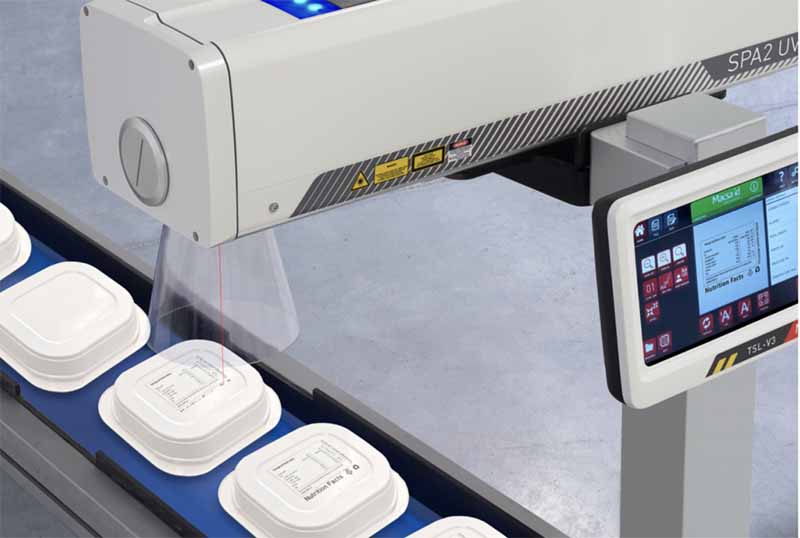
For manufacturers choosing a laser marking solution, the decision often comes down to three main technologies: fiber laser, CO₂ laser, and UV laser.
Among them, UV laser marking machines usually raise the most questions — mainly because of their higher upfront cost.
At first glance, many buyers wonder whether a UV laser is really necessary. Fiber or CO₂ systems can already mark text, logos, and codes on a wide range of materials. So why pay more?
The answer depends less on the machine itself and more on how marking quality affects the final product.
Why UV Laser Marking Is Often Misjudged by Specifications Alone
One common mistake when evaluating UV laser marking machines is focusing only on technical parameters such as power output or marking speed.
Compared with fiber lasers, UV systems appear slower and less powerful. However, UV laser marking is designed for a different purpose. Its advantage lies in precision and process control, not raw speed.
By minimizing heat impact, UV laser marking reduces the risk of material deformation, discoloration, and surface damage. In applications where appearance and consistency matter, this difference becomes critical.
What Makes UV Laser Systems More Expensive?
From a manufacturing perspective, UV laser marking systems demand higher optical stability and tighter system integration. This increases both design complexity and production cost.
UV lasers are also more sensitive to operating conditions such as temperature and cooling efficiency. Maintaining long-term stability requires carefully matched components rather than simple upgrades to existing systems.
As a result, a true UV laser marking machine is not just a standard platform with a different laser source. It is a system built specifically for precision marking tasks.
Applications Where UV Laser Marking Adds Real Value
UV laser marking is especially effective in industries where material behavior and surface quality cannot be compromised.
- Plastic components are a common example. Standard lasers may cause yellowing or melting at the edges, while UV lasers create clean marks with minimal thermal stress.
- In medical devices and precision industrial parts, marking defects can lead to compliance issues or batch rejection. UV laser marking helps improve consistency and reduce scrap risk.
- For PCB boards and electronic components, fine line width and readability are essential for traceability. UV lasers support high-density marking without affecting functionality.
- Glass and coated materials also benefit from UV processing, as it reduces micro-cracking and coating damage often caused by other laser types.
When UV Laser Marking Is Not the Best Option
Despite its strengths, UV laser marking is not always the most economical choice.
For metal parts requiring deep engraving or high-speed marking, fiber lasers remain more efficient and cost-effective. In such cases, UV systems may offer little practical advantage.
Choosing UV laser marking without a clear application need can result in unnecessary investment.
Making an Application-Driven Laser Marking Decision
Rather than asking which laser technology is “better,” manufacturers should ask which one best fits their production requirements.
Fiber lasers excel in metal processing and high-throughput environments.
CO₂ lasers offer a cost-effective solution for certain non-metal materials.
UV lasers address applications where surface quality, precision, and consistency are critical.
Viewed this way, UV laser marking machines serve as a specialized tool rather than a universal replacement.