
 By Prime Star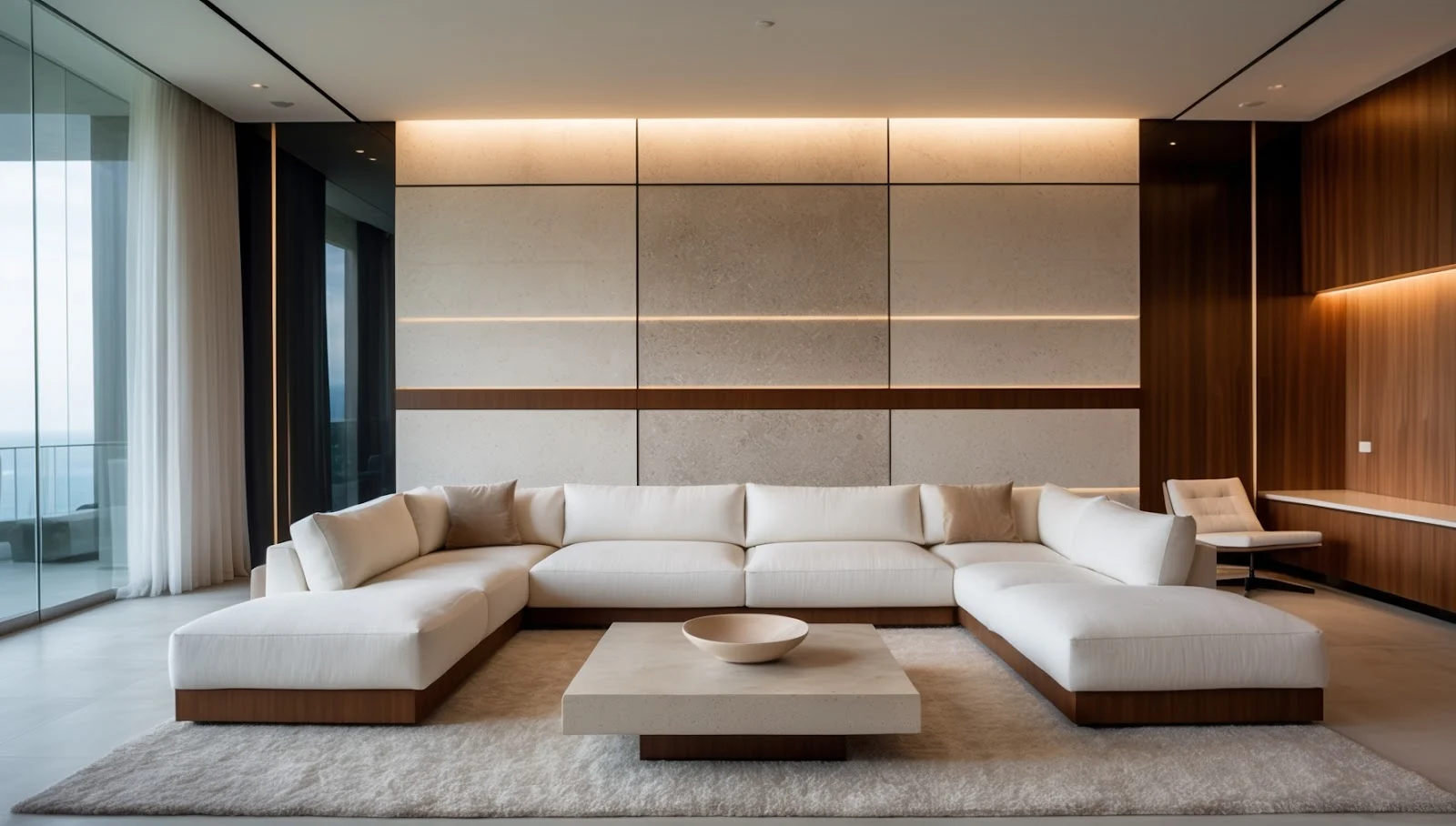
The Timeless Appeal of Timber in Interior Design
Interior design trends tend to move faster than building materials. Colours change. Finishes come and go. What feels current one year can feel dated surprisingly quickly. Timber, however, has resisted that cycle better than most materials, particularly when it is used quietly and with restraint. Inside buildings, timber cladding has found a renewed role not as decoration, but as a way of shaping the atmosphere.
How Timber Cladding Creates Calm Interior Spaces
The appeal of timber interiors is rarely about novelty. People respond to them instinctively. Spaces feel warmer, acoustics soften, and transitions between rooms feel less abrupt. These effects are subtle, but they accumulate. In homes, workplaces, and hospitality interiors, timber can change how a space is experienced without drawing attention to itself.
The Evolution of Timber Use on Interior Walls
For a long time, interior timber was often limited to floors or joinery. Wall surfaces were treated cautiously, partly due to concerns around movement and maintenance, and partly because trends favoured painted finishes. As design thinking shifted toward material honesty and texture, walls became part of the conversation again.
Adding Depth and Rhythm With Timber Wall Cladding
Timber cladding allows interior surfaces to do more than simply enclose space. Grain, shadow, and joint lines introduce rhythm. Light behaves differently across timber than across plaster or paint. Rooms feel less flat, even when the palette is restrained.
Choosing the Right Timber Profiles for Interior Spaces
This approach works best when the timber is chosen carefully. Overly decorative profiles can overwhelm a room. Subtle systems tend to age better and adapt more easily to changes in furniture or layout. Interior timber works when it supports the architecture rather than competing with it.
Shiplap Cladding as a Subtle Interior Design Feature
Systems such as shiplap cladding are increasingly being adapted for internal use. The simple horizontal rhythm of shiplap creates continuity without dominating a space. When used on feature walls or circulation areas, it brings structure while remaining calm.
Material Stability and Performance in Interior Timber Cladding
Material consistency is important here. Interior environments may be sheltered, but they still experience changes in humidity and temperature. Timber that moves excessively can quickly undermine the sense of control designers aim to achieve. Selecting stable, well-processed material makes a noticeable difference over time.
Using Timber Cladding to Zone Open-Plan Interiors
Interior timber also plays a role in how spaces are zoned. Rather than relying solely on partitions, timber cladding can be used to signal transitions. A living area might be defined by timber-lined walls, while adjacent spaces remain lighter and more neutral. The shift is felt rather than announced.
Improving Interior Acoustics With Timber Surfaces
This becomes particularly effective in open-plan layouts, where clear boundaries are often missing. Timber introduces contrast without hard separation, allowing spaces to remain visually connected while still distinct.
Acoustics are another quiet advantage. Timber surfaces absorb and diffuse sound differently from hard, reflective finishes. In offices, restaurants, and family homes, this can improve comfort without the need for visible acoustic panels.
Timber Wall Panels and Controlled Design Consistency
The rise of timber interiors also reflects a broader move toward tactile materials. Smooth, flawless surfaces can feel cold and impersonal when overused. Timber brings texture back into interiors, encouraging interaction and slowing down how spaces are perceived.
This is where broader concepts such as timber wall panels come into play. Panels allow designers to introduce timber across larger surfaces in a controlled way, balancing repetition with variation. The result is an interior that feels intentional rather than applied.
Maintenance and Longevity of Interior Timber Cladding
Maintenance is often raised as a concern, but interior timber generally requires less intervention than exterior applications. Finishes can be chosen to suit the level of use, from natural oils to more protective coatings. When detailed correctly, timber walls age quietly rather than showing wear prematurely.
Lighting Design and Its Impact on Timber Interiors
Lighting plays a significant role in how timber interiors are perceived. Directional lighting enhances grain and texture, while softer, indirect light creates an even, calm backdrop. Designers increasingly consider lighting and timber together rather than as separate decisions.
Sustainable Benefits of Using Timber in Interior Architecture
Sustainability also sits behind many interior timber choices. Timber stores carbon, and using it internally extends its service life significantly. When responsibly sourced, it becomes a low-impact way of introducing material richness into a space.
Why Timber Cladding Remains a Long-Term Interior Design Choice
What ultimately makes timber cladding successful inside buildings is restraint. Used sparingly and with intention, it shapes the atmosphere without dominating it. It supports architecture rather than competing with it.
As interiors continue to move away from purely visual statements toward spaces that feel considered and comfortable, timber cladding is likely to remain part of that language—not as a trend, but as a material that quietly does its job well.