
 By Prime Star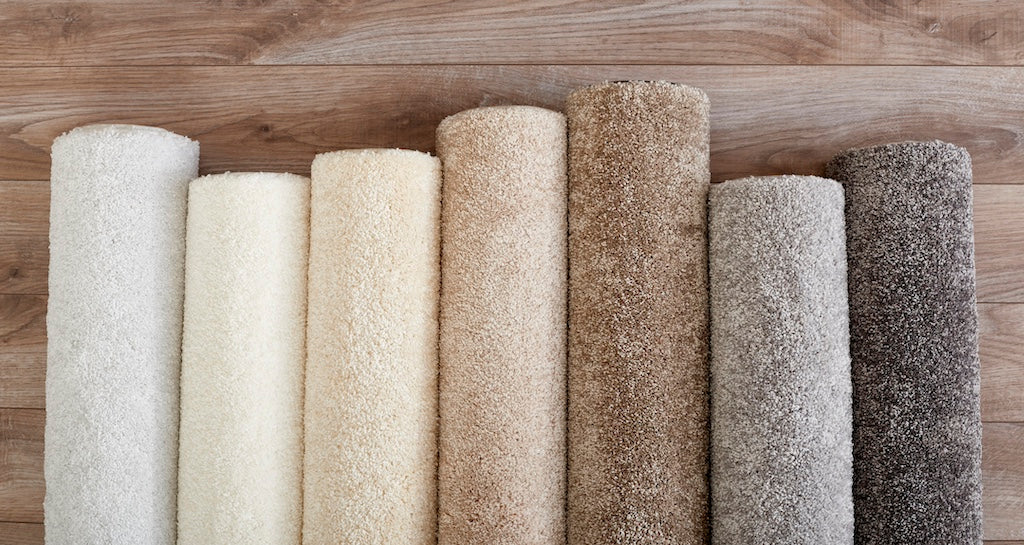
You must have thought that carpets are plain and straightforward. You entered a shop, tried some of the samples, chose a color, and that is it. With time, such a strategy was no longer effective. Certain carpets get flattened too quickly, while others trap dust.
Some of them are good for months, and then they get bad. What everybody overlooked is not the design, but the structure below. To learn about the types of carpets in 2026, one must comprehend the method behind constructing a carpet and the materials used to make it.
Why Carpet Construction Matters More Than Appearance?
You can see the surface, but carpets are put on the bottom upwards. The manner in which the fibers are attached, looped, or cut determines the response of the carpet to pressure, cleaning, and day-to-day movement.
The best carpets store may have a similar appearance and act in a totally different way than the two carpets. One holds shape for years. The other turns shapeless in a few months. It is not the price, but the construction that is usually different.
1. Carpets By Construction
Once you know what types of constructions there are, you no longer guess. You begin picking carpets that can be used in reality and not in the showroom.
1. Cut Pile Carpets – The Blend of Softness & Structure
Some of the most common are cut pile carpets that are used in the bedroom and living rooms. In this construction, loops of yarn are also cut at the top, forming a soft surface. Carpets that can be found in this category are the plush, frieze, and saxony. They are smooth and even, giving the rooms a serene and complete look. In spaces with low traffic, that would be okay.
2. Loop Pile Carpets – Designed For High-Traffic Endurance
Loop pile carpets leave the loops of the yarn uncut. This makes them strong and retention-shaped. The most common example is the Berber carpets. They can be placed in halls, offices, and common areas where people continue to move around.
You can see that the loop pile carpets are stiffer. That sternness has a purpose. It alleviates flattening and the post-pressure recovery of the carpet. They conceal dirt quite well.
3. Cut and Loop Carpets – Enjoy A Balanced Texture
There are also carpets that combine a cut and loop construction. This brings the texture without being too patterned. You see these carpets often in contemporary houses, where people desire subtle design without bold visuals.
Cut and raised loop sections create depth while keeping colors calm. Cut and loop carpets are suitable for the living room floor and the bedroom floor, where style is important, and maintenance is also considered.
4. Woven Carpets – Traditional Strength
These carpets are produced differently. The fibers are not tufted, but are woven into the backing. Wilton and Axminster are traditional carpets that are woven. They are thick, heavy, and organized. They will usually be in luxurious lounge areas, resorts, and formal rooms.
Owing to the way they are made, woven carpets retain patterns and wear out very slowly. They are also expensive and require more time to manufacture. At home, woven carpets are suitable in spaces where you would like a long-lasting usage and where you would wish the carpet to be traditional.
5. Tufted Carpets – Useful and Ordinary
The market today is an area of tufted carpets. Yarn is stamped through a supporting material and is adhesive-bonded. This is a faster and less expensive way of production. Residential carpets are mostly constructed using tufting.
The carpet quality varies widely here. Tufted carpets of high quality last long. Bad ones lose their fibers very fast. In the selection of tufted carpets, backing strength and density of the yarn are more important than softness.
2. Carpet Types Based on Fabrics
For carpets, the rules are simple, i.e., construction is the shape while materials define how you live with it.
1. Nylon – Durable and Resilient
The most popular fiber of carpets is nylon. When durability is your top priority, you select it. It is not crushed easily, bounces back even under the furniture, and it copes well with foot traffic. Nylon carpets are applied in family houses, hallways, and living rooms. Stain resistance and color stability are also the qualities of modern carpets made of nylon.
2. Wool – Natural Comfort
Carpets made of wool are warm, breathable, and comfortable. They control temperature automatically. When comfort and indoor air quality are of greater concern than cost, then you use wool. Wool is resistant to dust and does not overheat. Maintenance matters here. Wool is sensitive and requires special treatment in order to maintain its shape and colour.
3. Polyester – Soft and Cost-Effective
Carpets made out of polyester are soft and do not fade easily. They are used in the bedrooms and guest rooms. Polyester, however, does not have a good ability to recover when pressurized. You shun it in places of heavy traffic. Polyester is more comfortable and cheaper in quieter areas.
5. Olefin (Polypropylene) – Best For Water-Resistance
Olefin is moisture and stain-resistant. It performs well in the basement, outside, or in rooms that are prone to humidity. It does not cope with the heavy traffic, and works reliably in the low-use zones.
6. Natural Fibers: Jute, Sisal, and Seagrass
Natural fiber carpet has texture and appearance. They feel firm and earthy. You select them not because they are soft, but because they are beautiful. They are effective in the low-traffic areas and contemporary interiors. Sisal Carpets need to be cleaned more often in dusty places.
7. Don’t Forget About Carpet Backing and Padding: The Secret Support
For carpets, the backing provides the support. Its firm support in structure helps carpets to avoid the shift and loss of fibres. Similarly, carpet padding matters just as much. The right underlay absorbs, wears less, and is more comfortable. Memory foam pad is the norm in bedrooms in 2026. In high-traffic places, the rubber padding is more effective.
Conclusion
You do not have to memorize the terminology of carpet. You only need to know how carpets are constructed and what fibers degrade with time.
When you select the carpets, not only on the looks, but on the construction and material as well, issues are minimized. Your indoor/outdoor living comfort improves, and the carpet’s replacement cycles are retarded.