
 By Allen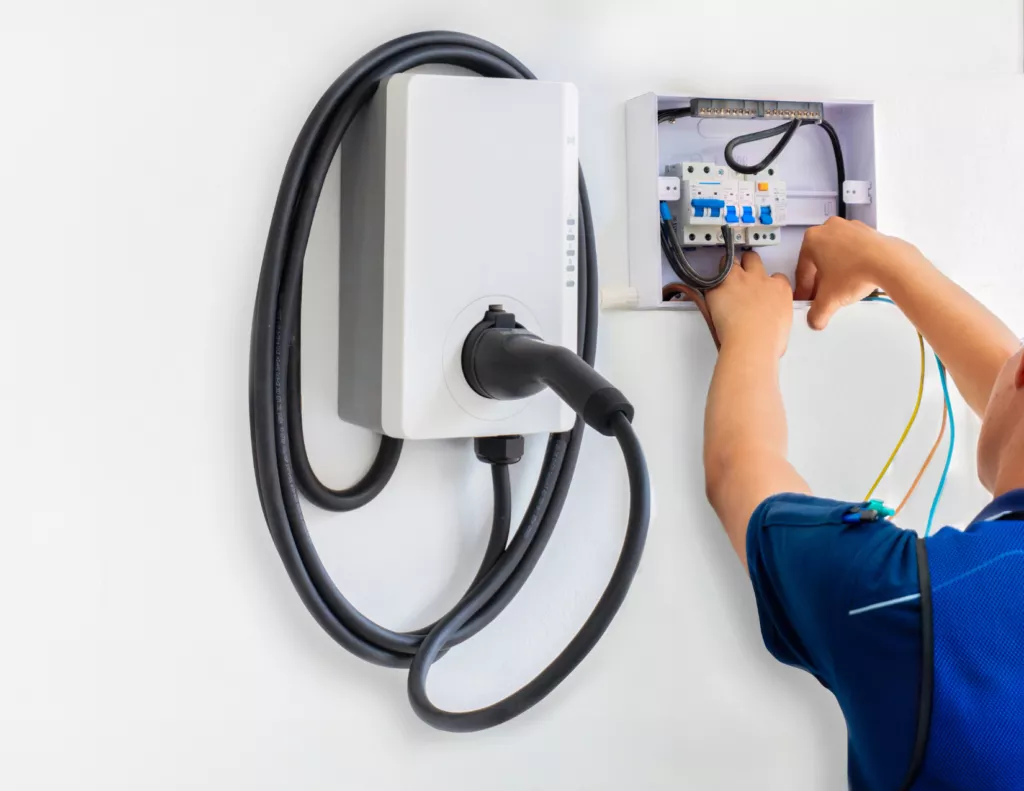
Electric vehicles are becoming a common part of daily transportation, changing how homeowners think about energy use and electrical infrastructure. An EV charger is more than a simple outlet upgrade; it represents a new, continuous electrical load that must integrate safely with an existing system. Without proper planning, charging equipment can strain circuits, disrupt household power balance, and reduce long-term reliability. Electricians play a key role in helping homeowners adapt to this shift by evaluating capacity, upgrading components, and ensuring charging setups operate smoothly. Understanding how EV charger installation works underscores the need for professional involvement to ensure safety, efficiency, and consistent charging performance.
Assessing Electrical Capacity Before Installation
Before an EV charger is installed, electricians assess the home’s electrical capacity. This step assesses whether the existing panel and service can accommodate the additional demand from vehicle charging. EV chargers often draw sustained power for several hours, which is very different from the short, intermittent use of appliances. Electricians examine the panel rating, available breaker space, and overall load distribution across circuits. They also review household energy usage patterns to understand how charging may overlap with other high-demand activities. If capacity is limited, electricians may recommend panel upgrades or load adjustments to prevent overload conditions. This careful evaluation ensures the electrical system can support charging without increasing the risk of tripped breakers or overheating.
Choosing the Right Charger and Configuration
EV chargers come in different power levels and configurations, each with unique electrical requirements. Electricians help homeowners select a charger that aligns with both the vehicle’s capabilities and the home’s electrical infrastructure. Placement decisions also matter, as distance from the panel and routing options affect installation complexity. When homeowners plan to install EV charger at home, electricians consider factors such as garage layout, outdoor exposure, and future vehicle needs. Proper configuration ensures that the charger delivers consistent power without unnecessary strain on wiring. This planning stage helps avoid compatibility issues that could limit charging speed or require later modifications.
Upgrading Wiring and Circuit Protection
Once capacity and charger selection are determined, electricians focus on wiring and circuit protection. EV chargers require dedicated circuits designed to handle continuous electrical loads. Electricians install appropriately sized conductors, breakers, and grounding to meet safety standards. Older wiring may not be suitable for sustained charging currents, necessitating upgrades. Circuit protection devices are selected to respond accurately to overloads without nuisance tripping. By installing dedicated infrastructure, electricians help isolate the charger from other household circuits, reducing interference and improving overall system stability. These upgrades support reliable charging while protecting the rest of the home’s electrical network.
A Midpoint Safety Consideration
EV charging introduces long-duration electrical demand that changes how a home’s system operates. Electricians pay close attention to heat management, ensuring that conductors, connections, and enclosures remain within safe temperature ranges. Proper spacing, ventilation, and secure mounting all contribute to safe operation. This attention to detail reduces the risk of gradual wear or hidden damage that can develop over time when systems operate near capacity.
Integrating Chargers With Daily Energy Use
Electricians also help homeowners understand how EV charging fits into daily energy use. Charging schedules may be adjusted to avoid peak household demand, reducing stress on the system. Some installations support smart charging features that coordinate with energy usage patterns. Electricians ensure these features are configured correctly so charging remains predictable and efficient. By aligning charging behavior with household routines, electricians help maintain consistent power quality and prevent voltage fluctuations that could affect other devices.
Preparing for Future Expansion
EV ownership often evolves, with households adding additional vehicles or upgrading chargers. Electricians plan for future expansion during initial installation by leaving space for additional circuits or higher-capacity equipment. This forward-thinking approach reduces the need for major changes later. Planning for future needs supports flexibility while preserving safety and performance. A well-prepared system adapts more easily as charging demands grow.
Ensuring Compliance With Electrical Standards
Electricians ensure EV charger installations comply with current electrical codes and safety requirements. These standards are designed to address continuous electrical loads, grounding integrity, and fault protection specific to charging equipment. During installation, electricians verify clearances, labeling, and disconnect accessibility to support safe operation and future servicing. Compliance not only reduces safety risks but also helps prevent issues during inspections or property transactions. By adhering to established standards, electricians help homeowners avoid potential hazards and ensure the charging system remains reliable and approved for long-term residential use.
EV chargers represent a significant shift in residential electrical usage, making professional installation essential. Electricians support safe and efficient charging by assessing capacity, selecting appropriate equipment, upgrading wiring, and integrating chargers into daily energy use. Their work ensures that charging systems operate reliably without compromising household electrical stability. By approaching installation with careful planning and long-term awareness, electricians help homeowners transition to electric vehicles with confidence, safety, and consistent performance for years to come.