
 By Allen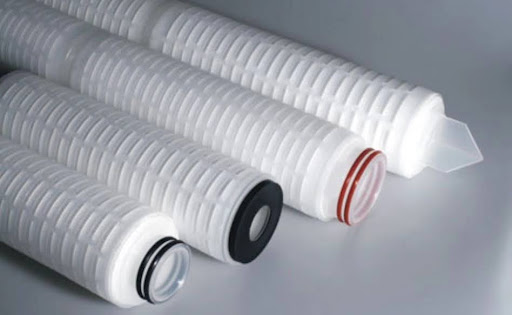
1.Introduction: Why Quality Verification Matters in Filtration
Polypropylene (PP) pleated filter cartridges are widely used in water treatment, food and beverage processing, chemical filtration, electronics manufacturing, and many other industrial applications. Their popularity comes from a combination of cost efficiency, chemical resistance, high dirt-holding capacity, and stable filtration performance.
However, not all PP pleated filter cartridges deliver the same level of quality or reliability. On the surface, many cartridges appear similar in size, structure, and even specifications. In practice, differences in raw materials, pleating technology, bonding methods, and quality control can lead to significant performance gaps.
Purchasing a low-quality filter cartridge may result in:
- Unstable filtration efficiency
- Premature pressure drop increase
- Shortened service life
- Contamination risks caused by media shedding or seal failure
- Unexpected system downtime and maintenance costs
For buyers, especially those responsible for long-term operation and maintenance, verifying the quality of a PP pleated filter cartridge before purchasing is not optional—it is essential. A careful evaluation helps ensure consistent filtration performance, protects downstream equipment, and reduces overall operating costs.
This article provides a practical, step-by-step guide to assessing PP pleated filter cartridge quality from a technical and purchasing perspective, enabling buyers to make confident and informed decisions.
2. Understand the Raw Material: Polypropylene Quality Basics
2.1 Virgin PP vs Recycled PP
The foundation of any PP pleated filter cartridge is its raw material. High-quality cartridges are typically manufactured using 100% virgin polypropylene, while lower-cost products may incorporate recycled or mixed PP materials.
Virgin polypropylene offers:
- Stable molecular structure
- Better mechanical strength
- Consistent chemical resistance
- Lower risk of extractables and leachables
Recycled PP, although cheaper, may contain impurities, degraded polymer chains, or inconsistent material properties. These issues can negatively affect filtration accuracy, pressure resistance, and long-term durability.
For applications such as drinking water, food and beverage processing, or pharmaceutical pre-filtration, virgin PP is generally preferred and often required.
2.2 Material Purity and Compliance Requirements
Material purity directly impacts the safety and compatibility of the filter cartridge. Buyers should pay attention to whether the polypropylene used complies with relevant regulations, such as:
- FDA regulations for food-contact materials
- EU food-grade requirements
- Industry-specific compliance standards
A reputable manufacturer should be able to provide a material compliance declaration confirming that the polypropylene resin meets applicable standards. While such documentation does not guarantee overall product performance, it indicates responsible material sourcing and process control.
2.3 Chemical Compatibility and Temperature Resistance
PP pleated filter cartridges are valued for their resistance to a wide range of chemicals, including acids, alkalis, and many solvents. However, chemical compatibility can vary depending on:
- Resin grade
- Additives used during processing
- Manufacturing temperature control
Similarly, temperature resistance is influenced by material quality. Poor-quality PP may soften, deform, or lose mechanical strength when exposed to elevated temperatures near its operational limit.
Understanding the raw material quality helps buyers predict how the filter cartridge will perform under real operating conditions.
3. Evaluate Filtration Media Structure and Pleating Quality
3.1 Importance of Uniform Pleating
Pleating is a defining feature of PP pleated filter cartridges. Proper pleating significantly increases the effective filtration area, improving flow rates and dirt-holding capacity.
High-quality pleated cartridges exhibit:
- Uniform pleat spacing
- Consistent pleat depth
- Smooth, well-defined folds
Uneven pleats may cause localized flow concentration, leading to premature clogging or media collapse.
3.2 Effective Filtration Area and Its Impact
The effective filtration area determines how much contaminant the cartridge can retain before reaching its terminal pressure drop. A well-designed pleated structure:
- Distributes flow evenly across the entire media surface
- Reduces differential pressure increase over time
- Extends service life
Manufacturers may list filtration area values, but visual inspection and sample testing often provide more reliable insights into actual pleating quality.
3.3 Media Bonding and Structural Stability
The pleated media must be securely bonded to maintain structural integrity during operation. Common bonding methods include:
- Thermal bonding
- Melt bonding
- Ultrasonic welding
Poor bonding can result in pleat separation, media bypass, or particle shedding. Buyers should examine sample cartridges for loose pleats, irregular bonding lines, or visible defects.
3.4 Surface Filtration vs Depth Filtration Characteristics
Although PP pleated cartridges are often described as surface filters, many designs incorporate depth filtration characteristics through graded fiber structures. Understanding this distinction helps buyers select cartridges that match their contaminant profile.
- Surface filtration: higher initial efficiency, easier cleaning
- Depth filtration: higher dirt-holding capacity, longer service life
Quality manufacturers design pleated media to balance efficiency, flow, and capacity.
4. Check Micron Rating Accuracy and Consistency
4.1 Nominal vs Absolute Micron Ratings
One of the most common sources of confusion for buyers is micron rating terminology. PP pleated filter cartridges may be rated as:
- Nominal: typically captures a percentage (e.g., 85–90%) of particles at the stated micron size
- Absolute: captures a much higher percentage (e.g., ≥99.9%)
Understanding which rating is used is critical when comparing products from different suppliers.
4.2 Importance of Rating Consistency
Beyond the stated micron value, consistency across production batches is equally important. Inconsistent micron ratings can cause:
- Variable product quality
- Unpredictable filtration results
- Increased risk of downstream contamination
A reliable pleated filter cartridge manufacturer controls fiber diameter, pore structure, and production parameters to ensure consistent filtration performance.
4.3 Common Test Methods for Micron Verification
Several test methods are used to verify micron ratings, including:
- Particle retention testing
- Bubble point testing
- Multi-pass testing
While buyers may not conduct these tests themselves, understanding them helps in evaluating supplier data and technical claims.
4.4 Why Stable Performance Matters More Than Single-Test Results
A single impressive test result does not guarantee long-term reliability. What matters most is stable filtration performance over time and across multiple batches. Buyers should prioritize suppliers that emphasize process control and repeatability rather than isolated performance figures.
5. Inspect End Caps, Core, and Sealing Performance
5.1 End Cap Materials and Construction
End caps play a critical role in maintaining structural integrity and preventing bypass. Common materials include:
- Polypropylene (PP)
- Reinforced PP structures
High-quality end caps are securely bonded to the filter media, forming a solid and leak-free seal.
5.2 Center Core Design and Strength
The center core supports the pleated media under operating pressure. A robust core:
- Prevents collapse at high differential pressure
- Maintains pleat geometry
- Ensures stable flow paths
Buyers should examine core thickness, perforation pattern, and material quality when evaluating samples.
5.3 Sealing Options and Bypass Prevention
Sealing performance is often underestimated but critically important. Poor sealing can lead to unfiltered fluid bypassing the cartridge entirely.
Common gasket materials include:
- EPDM
- Silicone
- Viton
Each material offers different chemical and temperature resistance properties. Selecting the correct seal material helps ensure compatibility and long-term reliability.
5.4 Common Sealing Issues to Watch For
During inspection or testing, buyers should look for:
- Loose or misaligned gaskets
- Uneven gasket compression
- Signs of deformation or damage
These issues may indicate inadequate manufacturing quality or unsuitable design for the intended application.
6. Flow Rate, Pressure Drop, and Mechanical Strength
6.1 Understanding Flow Rate Specifications
Flow rate is one of the most frequently referenced parameters in PP pleated filter cartridge selection. It represents the volume of fluid that can pass through the cartridge within a given time under specific conditions.
However, it is important to understand that flow rate values are often:
- Measured under laboratory conditions
- Based on clean water and new cartridges
- Influenced by cartridge length, micron rating, and pleating design
A high-quality PP pleated filter cartridge does not simply offer a high initial flow rate. Instead, it provides stable and predictable flow performance throughout its service life.
6.2 Initial Pressure Drop and Its Practical Meaning
Initial pressure drop is a direct indicator of filtration media resistance and pleating efficiency. A well-designed cartridge should show:
- Low initial pressure drop at rated flow
- Smooth and gradual pressure increase as contaminants accumulate
Excessively low pressure drop may indicate overly open media structure, which could compromise filtration efficiency. On the other hand, a very high initial pressure drop often suggests poor pleating quality or insufficient effective filtration area.
Evaluating pressure drop data alongside micron rating provides a more complete picture of cartridge performance.
6.3 Differential Pressure Resistance and Cartridge Lifespan
During operation, differential pressure across the filter cartridge gradually increases. The ability of the cartridge to withstand this pressure without structural failure is critical.
High-quality PP pleated filter cartridges are designed to:
- Maintain pleat shape under increasing pressure
- Prevent media collapse or tearing
- Withstand specified maximum differential pressure limits
Mechanical strength directly affects service life and system safety. Cartridges that fail prematurely can release trapped contaminants back into the system or cause sudden pressure loss.
6.4 Interpreting Performance Data from Suppliers
When reviewing technical datasheets, buyers should look for:
- Clearly stated test conditions
- Flow vs pressure drop curves
- Maximum operating parameters
Vague or incomplete performance data may indicate limited testing or insufficient technical understanding on the supplier’s side.
7. Cleanroom Manufacturing and Quality Control Standards
7.1 Why Manufacturing Environment Matters
For many filtration applications, especially in water treatment, food and beverage, electronics, and pharmaceutical industries, manufacturing environment plays a significant role in final product quality.
Producing PP pleated filter cartridges in a controlled cleanroom environment helps:
- Reduce particulate contamination
- Prevent fiber shedding
- Ensure consistent product cleanliness
Cleanroom production is often categorized by cleanliness class, such as Class 100,000 (ISO Class 8).
7.2 Key Quality Control Processes
Quality-oriented manufacturers implement multiple inspection and control steps, including:
- Incoming raw material inspection
- In-process dimensional checks
- Visual inspection for pleating and bonding defects
- Final product cleanliness and integrity checks
These processes ensure that each cartridge meets defined quality standards before shipment.
7.3 Batch Traceability and Process Stability
Batch traceability allows manufacturers and buyers to track:
- Raw material sources
- Production dates
- Test records
This level of control is particularly important for long-term projects or regulated industries, where consistent performance across multiple shipments is required.
7.4 Why Quality Control Is More Than Certification
While certifications indicate system-level compliance, they do not replace robust day-to-day quality control. Buyers should assess whether a supplier’s quality management practices are practical, repeatable, and transparent.
8. Certifications, Test Reports, and Documentation to Request
8.1 Commonly Requested Certifications
Depending on the application, buyers may request:
- ISO 9001 quality management certification
- FDA compliance declaration for food-contact applications
- Industry-specific approvals
These certifications demonstrate that the manufacturer follows recognized standards, but they should be viewed as part of a broader evaluation process.
8.2 Third-Party Test Reports and Their Value
Third-party testing, such as reports issued by independent laboratories, can provide additional confidence in product performance. Common tests include:
- Filtration efficiency testing
- Bubble point testing
- Flow and pressure performance testing
Buyers should verify that test reports:
- Clearly identify the tested product
- Include test methods and conditions
- Are recent and relevant to the specified model
8.3 Avoiding Misleading or Generic Documents
Not all documents carry equal value. Generic statements or outdated reports may not reflect actual product performance. Buyers should feel comfortable asking suppliers for clarification or additional data when needed.
9. Sampling, Testing, and Supplier Communication Tips
9.1 Importance of Pre-Purchase Sampling
Requesting samples before placing a bulk order is a practical way to reduce purchasing risk. Sample evaluation allows buyers to:
- Verify physical dimensions and fit
- Inspect pleating, bonding, and sealing quality
- Conduct basic performance tests
Sampling also reveals how responsive and cooperative a supplier is during the evaluation phase.
9.2 What to Test During Sample Evaluation
During sample testing, buyers may focus on:
- Visual and dimensional inspection
- Initial pressure drop measurement
- Compatibility with existing housings
- Short-term operational performance
These tests provide valuable insights, even without advanced laboratory equipment.
9.3 Technical Communication as a Quality Indicator
The way a supplier communicates technical information often reflects their level of expertise. Reliable manufacturers are typically able to:
- Explain design choices clearly
- Discuss test methods confidently
- Offer application-specific recommendations
Vague or evasive responses may indicate limited technical capability or lack of process control.
9.4 Long-Term Cooperation Considerations
Beyond the first order, buyers should consider:
- Consistency across repeat orders
- Ability to support customized requirements
- Responsiveness to quality feedback
A dependable supplier focuses on long-term cooperation rather than one-time transactions.
10. Conclusion: Making a Confident and Informed Purchase Decision
Verifying the quality of a PP pleated filter cartridge before purchasing requires more than comparing prices or reviewing basic specifications. It involves a systematic evaluation of raw materials, pleating structure, micron rating consistency, mechanical strength, manufacturing environment, and quality management practices.
By understanding what truly defines cartridge quality, buyers can:
- Reduce operational risks
- Improve filtration system reliability
- Lower total cost of ownership over time
Informed purchasing decisions are built on transparency, technical understanding, and careful evaluation. Choosing a manufacturer that prioritizes quality, process control, and clear communication ultimately leads to more stable filtration performance and stronger long-term partnerships.