
 By Prime Star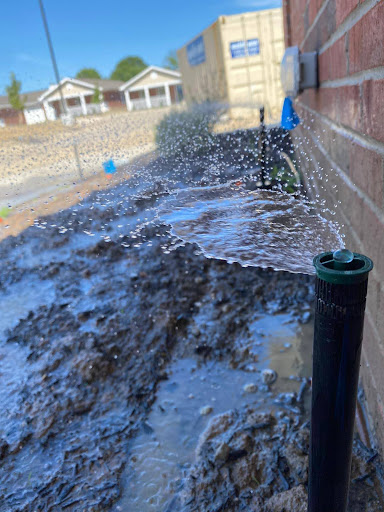
Watering a lawn used to involve a tangled garden hose and a metal sprinkler that required constant repositioning. Today, irrigation has evolved into a high-tech science that balances lush aesthetics with environmental stewardship. A professional irrigation build is no longer just about keeping grass green; it is about managing a precious resource through engineering. Whether you are installing a new system or upgrading an old one, these tips highlight the current standards in landscape hydration.
1. Implement Weather-Based Smart Controllers
The biggest leap in irrigation technology is the move from basic timers to weather-based controllers. Traditional systems run on a set schedule regardless of the weather, which often leads to watering during a rainstorm. Smart controllers use local weather data and on-site sensors to adjust watering cycles in real-time. By calculating the “evapotranspiration” rate—the amount of water evaporating from the soil and transpiring from plants—these systems only provide the exact amount of moisture needed.
This level of automation prevents overwatering, which can lead to root rot and fungal diseases. It also significantly lowers monthly water bills. When looking for a partner to integrate this technology into a residential or commercial property, the team at Cable Bros Outdoor provides the technical labor and configuration needed to ensure these smart hubs function correctly within the local climate.
2. Utilize Drip Irrigation for Precision Delivery
For flower beds, shrubs, and vegetable gardens, overhead spray is rarely the most efficient choice. Much of the water is lost to wind drift or evaporation before it ever hits the soil. Drip irrigation delivers water at a low pressure directly to the base of the plant. This targeted approach keeps foliage dry, which reduces the spread of leaf-based diseases, and ensures that the root zone remains consistently moist.
3. Conduct Seasonal Pressure and Flow Audits
An irrigation system is under constant physical stress from water pressure and environmental shifts. Over time, heads can become misaligned or clogged, and underground leaks can develop undetected. A professional audit involves checking the “head-to-head” coverage to ensure there are no dry spots or “donuts” in the turf. Ensuring the water pressure is within the optimal range prevents “misting,” where water turns into a fine fog that blows away instead of soaking into the ground.
4. Design for Hydrozoning and Soil Type
Not all plants have the same thirst. A professional landscape build involves “hydrozoning”—grouping plants with similar water requirements onto the same irrigation valve. For example, a thirsty hydrangea should not be on the same zone as a drought-tolerant lavender. Additionally, the type of soil—whether it is heavy clay or porous sand—dictates how long the water should run to prevent runoff. For a system designed with these horticultural nuances in mind, Cable Bros Outdoor offers the design and installation services to match irrigation output with specific plant needs.
5. Prioritize Backflow Prevention and Winterization
Safety and longevity are the bookends of a reliable system. Backflow preventers are mechanical devices that ensure irrigation water—which may contain fertilizers or lawn chemicals—does not flow back into the clean drinking water supply. Furthermore, in regions where the ground freezes, a “blow-out” service using high-volume compressed air is necessary each autumn to prevent pipes from bursting. These technical maintenance steps protect the hardware and the health of the household.
Conclusion: Engineering a Sustainable Landscape
An efficient irrigation system is the circulatory system of a healthy property. By moving away from manual methods and embracing smart controllers, drip technology, and strategic hydrozoning, homeowners can protect their botanical investments while practicing responsible water management. The transition from a simple sprinkler to a fully integrated hydration network requires a professional eye for detail and a deep understanding of local soil conditions. In the end, a well-engineered system does more than just water the grass; it creates an environment where nature and technology work in perfect, automated harmony to sustain the beauty of the home.