
 By Apex Backlinks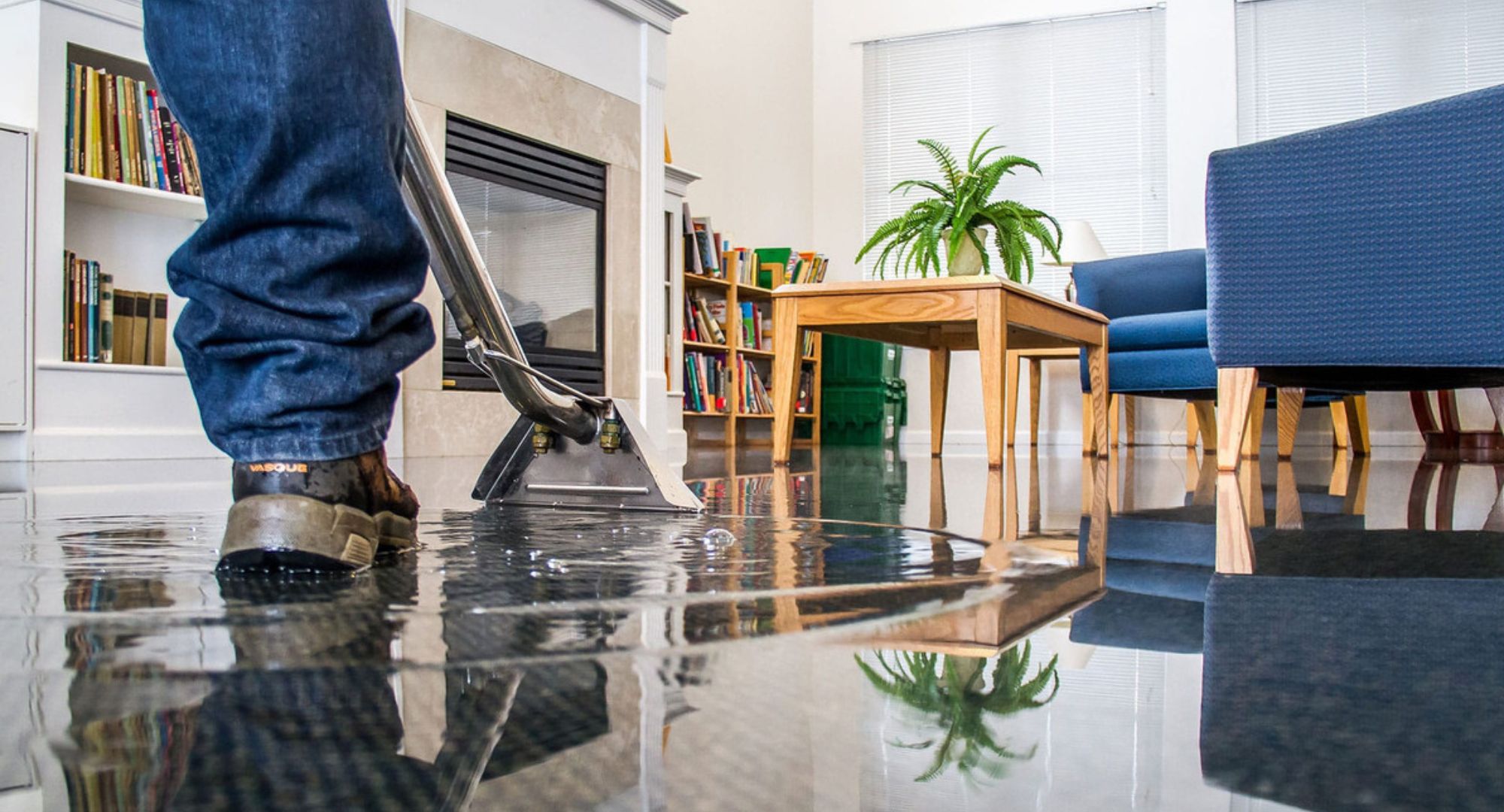
Water damage can occur when one least expects it and is often unpredictable. It may result from a burst pipe, leaking roof, heavy rain, or flooding. When water reaches areas of a building where it shouldn’t be, it can damage walls, floors, furniture, and even the structure itself. This is where water damage restoration services come in. These services clean, dry, and restore affected areas so the property becomes safe and usable again.
Understanding how water damage restoration services work helps homeowners act quickly and make informed decisions in such emergencies.
Step 1: Assessing the Situation
The process begins with a thorough inspection and assessment. Professionals visit the site to evaluate how much damage has occurred and what type of water caused it.
Water damage is usually divided into three categories:
- Clean water: From burst pipes or rainwater.
- Gray water: From appliances such as washing machines or dishwashers.
- Black water: From sewage or flooding, which is highly hazardous.
This step helps determine the right method and equipment for cleanup. If contaminated water is present, then a sewage cleanup service is essential to ensure safety.
Step 2: Stopping the Source of Water
Before any cleanup can begin, the source of water must be stopped. Technicians identify and fix the cause, whether it’s a leaking pipe, broken appliance, or external flooding.
Even the best restoration won’t work if the water keeps flowing. Stopping the source prevents further damage and allows the drying and cleaning process to start effectively.
Step 3: Removing Standing Water
Once the source is controlled, water extraction begins. Professionals use pumps and industrial vacuums to remove standing water from floors, carpets, and other surfaces.
This must happen quickly since standing water can continue causing damage the longer it stays. Wood can warp, carpets can grow mold, and walls may weaken. Fast water removal limits the spread of moisture and reduces repair costs later.
Step 4: Drying and Dehumidifying
Even after visible water is gone, moisture can remain in walls, furniture, and the air. This is why drying and dehumidifying are vital steps.
Restoration teams use high-powered air movers and dehumidifiers to remove hidden moisture. Air movers increase airflow, while dehumidifiers extract water from the air. Moisture levels are carefully monitored to ensure complete drying.
This process can take a few days depending on how large the area is and how much water was present. Proper drying also prevents mold growth, which can begin within 24 to 48 hours.
Step 5: Cleaning and Sanitizing
After drying, cleaning and sanitizing make the area safe for living or working again.
All affected surfaces, furniture, and items are cleaned using specialized products that remove bacteria and dirt. When sewage or floodwater causes the damage, a professional sewage cleanup service is required. This process eliminates harmful microorganisms and unpleasant odors.
Carpets, upholstery, and personal items are either cleaned or discarded depending on their condition. The goal is to make everything hygienic, fresh, and safe.
Step 6: Repair and Restoration
Once cleaning is complete, repair and restoration begin. This step restores the property to its original condition.
Common restoration tasks include:
- Replacing damaged drywall or insulation
- Painting walls and ceilings
- Installing new flooring or carpets
- Repairing structural elements
In severe cases, sections of the property may need reconstruction. Restoration ensures the property looks and feels normal again after the water damage.
The Role of a Sewage Cleanup Service
Not all water damage involves clean water. Sometimes, contaminated water from sewer backups or flooding adds another layer of risk.
A sewage cleanup service becomes essential in these cases. Sewage water contains harmful bacteria, viruses, and chemicals that can cause serious health issues. Cleanup specialists wear protective gear and use strong disinfectants to ensure safety.
They remove contaminated materials, sanitize the area, and use deodorizing techniques to eliminate odors. This step protects both the property and the people living in it.
Why Professional Water Damage Restoration Matters
Water damage might look simple to handle, but it’s more complex than mopping and drying. Professional restoration services bring the right skills, tools, and safety measures that homeowners often lack.
Here’s why hiring professionals matters:
- Speed: Quick response and equipment that speeds up drying.
- Safety: Proper handling of contaminated water and hazardous materials.
- Thoroughness: Detection of hidden moisture using advanced tools.
- Mold Prevention: Prevents mold growth through full drying and sanitization.
- Quality Restoration: Ensures long-lasting and reliable property repair.
Acting Quickly Makes a Difference
Timing is critical in water damage restoration. The longer water sits, the more damage it causes. Acting fast can save floors, furniture, and personal belongings — reducing both effort and cost.
By contacting professionals immediately, you can contain the damage early and start the restoration process before mold, odors, or structural problems develop.
Final Thoughts
Water damage restoration services are essential for recovering homes and buildings after water-related emergencies. From assessment to cleaning and full repair, each step works to protect both property and health.
When contamination is involved, a sewage cleanup service becomes vital to ensure complete safety and disinfection.
Understanding how these services work helps homeowners take prompt and proper action when disaster strikes — restoring their space quickly, safely, and effectively.