
 By IQnewswire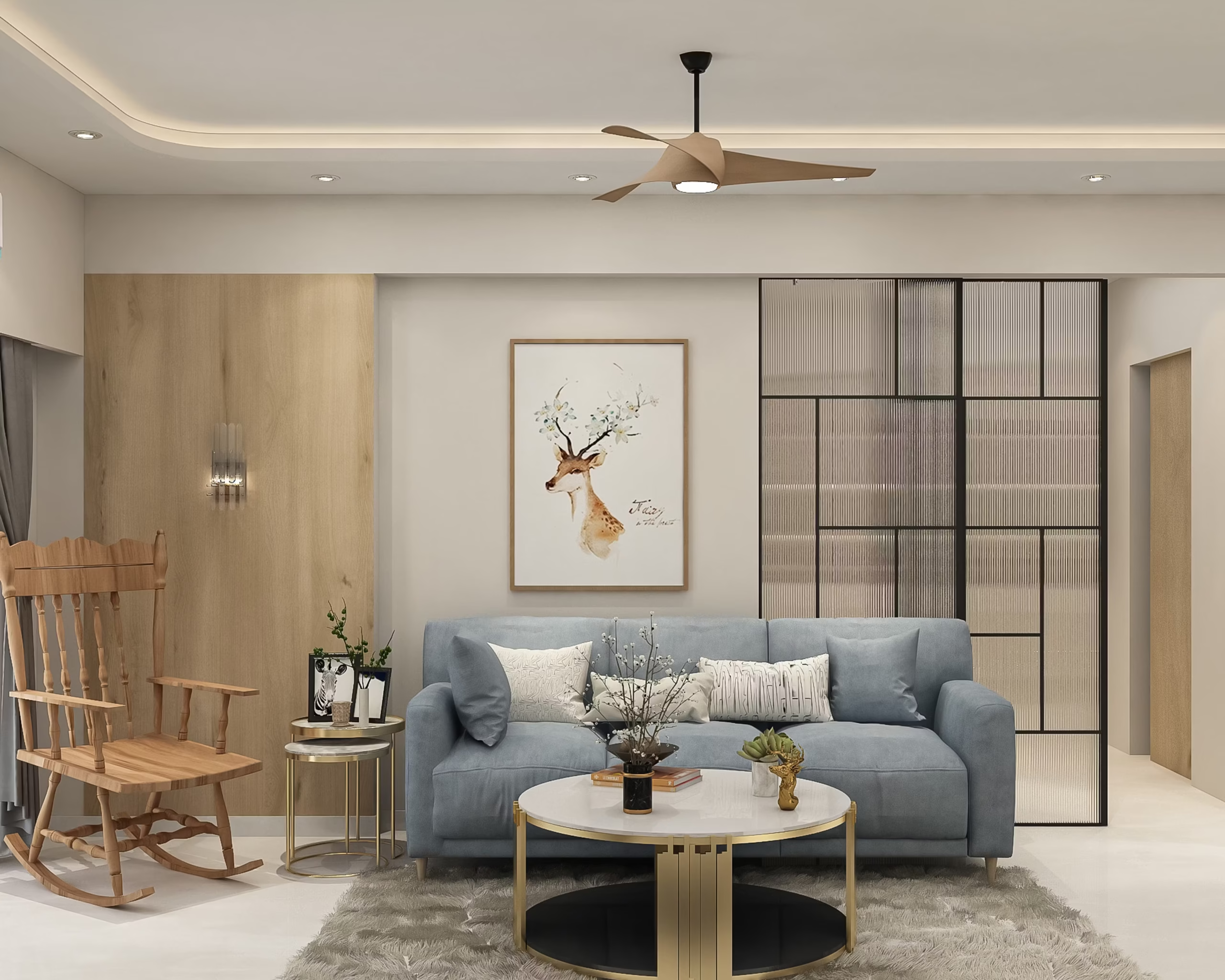
Open-concept design once reigned supreme, but today’s interiors are evolving into a new kind of openness—one shaped not by the absence of walls but by the intelligent use of transparency and light. Glass is no longer a basic material for windows; it’s becoming an architectural statement that dissolves barriers between spaces while enhancing privacy, sustainability, and sensory depth.
The New Meaning of Transparency
Designers are embracing transparency as more than a visual effect. It’s a philosophy about balance—between openness and intimacy, light and shadow, nature and structure. Clear and textured glass panels, for example, allow natural illumination to suffuse interiors while subtly blurring the boundaries between indoor and outdoor spaces. This interplay transforms rooms into luminous, adaptive environments that feel connected yet still distinct.
In modern homes, transparency has become an emotional and social tool. It encourages interaction, creates an impression of spaciousness, and anchors daily life in sunlight. When used skillfully, transparency sets a rhythm for interiors, guiding sightlines and creating a dialogue between private corners and communal zones.
Crafting Light as a Material
Light is one of the most powerful—and intangible—materials in design. Through glass partitions, sliding panels, or glossy facades, light becomes something architects can sculpt and shape. The angle, color, and thickness of glass influence how illumination behaves within a space. Subtle shifts in opacity can make a room glow at sunrise and shimmer softly by afternoon.
Designers now use transparency to choreograph this experience, layering finishes and textures to modulate brightness. Frosted glass softens harsh daylight, while ribbed or tinted options provide subtle mood variations. This design language enhances emotion and functionality simultaneously, ensuring the experience of space changes throughout the day.
Beyond Aesthetic Appeal
The beauty of contemporary glazing lies not only in its appearance but in its performance. Thermal coatings, switchable panels, and layered composites are redefining comfort and efficiency. These materials can regulate indoor temperature, reduce glare, and even filter UV radiation—all without compromising visual clarity.
This technological evolution has quietly revolutionized how people live with light. Homes that once relied on heavy shades or blinds now integrate intelligent glazing that adapts to the sun’s movement. It’s a sustainable shift that reflects broader design trends prioritizing energy awareness and environmental sensitivity.
In the world of architectural glass, innovation is increasingly about responsiveness. Designers are exploring how transparency can serve as both a creative and ecological resource—one that blurs the line between form and function, making the structure itself part of a building’s living system.
Merging Nature and Structure
Transparent design fosters a profound connection to the natural world. The ability to see shifting skies or surrounding greenery from almost any point in the home impacts well- being and perception. What was once just a view has become an integral design layer—a reminder of rhythm, time, and change.
When openness is handled thoughtfully, it doesn’t diminish privacy; it enhances it by giving
occupants control over how much of their world they wish to reveal or retreat from. Adjustable transparency, textured layers, and reflective surfaces can all offer seclusion without separation.
A Future Built on Light
As materials continue to evolve, the next frontier of interior design may be defined by how light is filtered, framed, and felt. Architects and homeowners alike are exploring glass not as a static partition but as a dynamic design element responsive to human experience. It transforms not only how we see our spaces, but also how we inhabit them.
In the end, transparency is no longer just an aesthetic choice. It’s a statement about how people desire to live—openly, thoughtfully, and immersed in light. The architecture of tomorrow begins not with walls, but with what lies between them: the clear, luminous threshold that connects form, function, and feeling.