
 By Ch Umar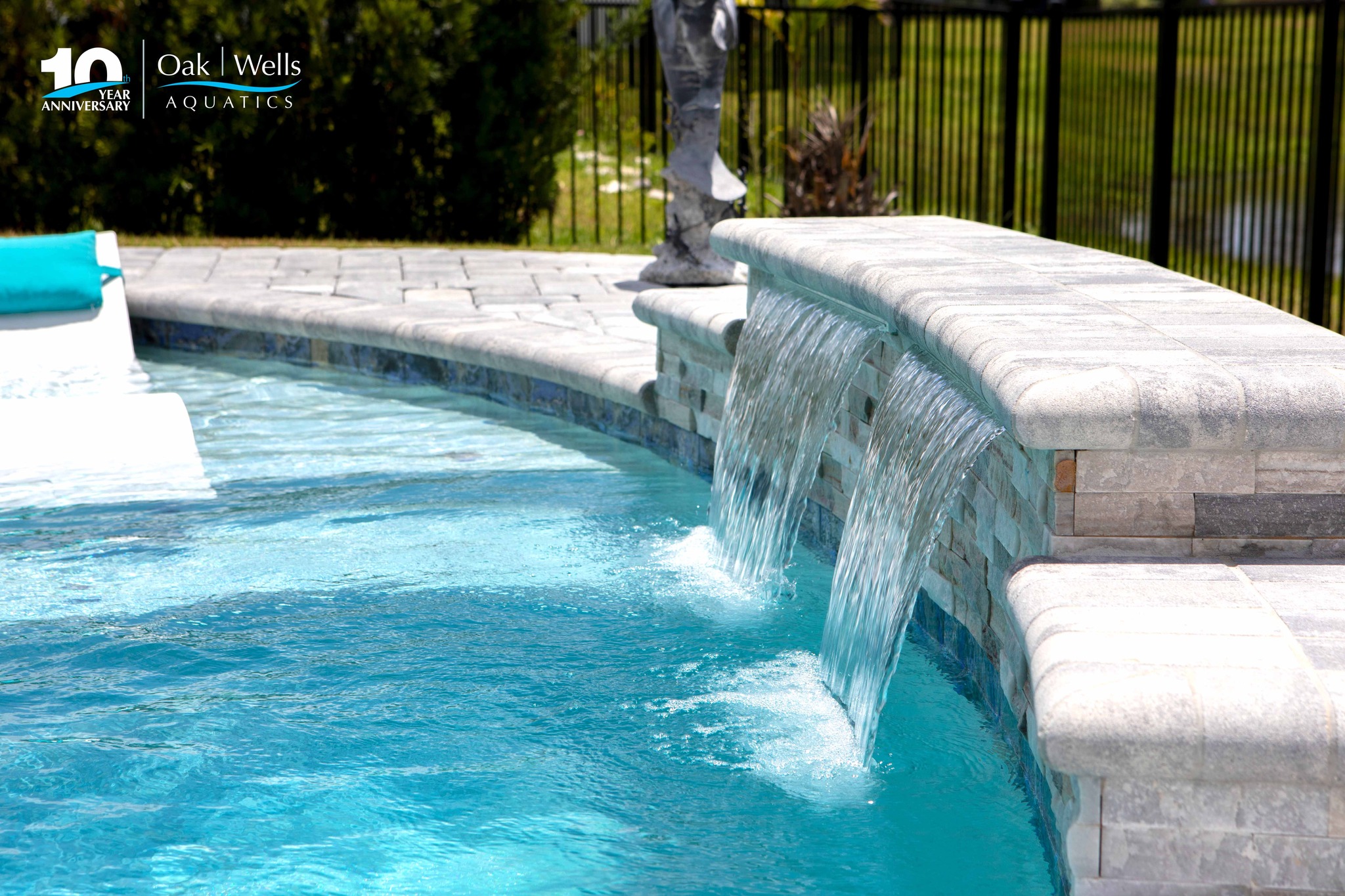
For decades, real estate agents and financial advisors have debated the economic merit of installing a swimming pool. The conventional wisdom often suggested that while a pool offers immense personal enjoyment, the financial return on investment was negligible or even negative. However, the housing market has evolved significantly in recent years. As homebuyer priorities shift toward lifestyle, wellness, and outdoor living, the perception of a swimming pool has transformed from a maintenance burden into a highly desirable asset that can substantially elevate your property value.
Understanding how a pool influences the marketability and price of a home requires looking beyond simple appraisal numbers. It involves recognizing the emotional drivers behind a purchase and how a well-integrated aquatic feature enhances the overall appeal of a residence.
The Shift in Homebuyer Priorities
The concept of the home has expanded. It is no longer just a place to sleep and eat; it has become a sanctuary, a workplace, and a primary entertainment hub. This cultural shift has placed a premium on backyard amenities. Buyers are increasingly looking for properties that offer a “staycation” experience. A swimming pool is the centerpiece of this lifestyle.
When a potential buyer walks into a backyard and sees a sparkling pool, they are not just seeing water and concrete. They envision summer barbecues, morning exercise routines, and relaxing weekends with family. This emotional connection can be a powerful motivator, often tipping the scales in favor of a home with a pool over a comparable property without one. In competitive markets, this desirability factor translates directly into higher offers and a faster closing process.
Creating a Private Oasis and Visual Appeal
Aesthetics play a crucial role in real estate valuation. A swimming pool that is aesthetically cohesive with the house and landscaping creates a stunning visual focal point. It adds a layer of sophistication and luxury that a plain grass yard simply cannot match.
Water features have a calming psychological effect, and the view of a serene blue pool from the living room or master bedroom adds intangible value to the interior living space as well. High-quality landscaping, proper lighting, and elegant decking surrounding the pool can turn an ordinary backyard into a private resort. When a property looks like a luxury retreat, buyers are often willing to pay a premium for the atmosphere alone, regardless of the raw construction costs.
The Impact of Location and Climate
The value a pool adds is heavily dependent on geography. In warmer climates where swimming is possible for six to twelve months of the year, a pool is often considered a standard requirement rather than a luxury add-on. In these regions, not having a pool can actually detract from your property value because your home will be the outlier in a neighborhood where every other house has one.
Even in cooler climates, the technology of pool heating and enclosures has extended the swimming season, making pools more viable and attractive. In these areas, a pool becomes a unique selling proposition that differentiates a home from the competition. It signals exclusivity and status, attracting a specific demographic of buyers who are looking for a premium property.
Modern Technology Mitigates Maintenance Concerns
One of the primary reasons buyers used to hesitate on pool properties was the fear of maintenance. The stigma of spending hours scrubbing walls and skimming leaves scared off many people. However, advancements in pool care technology have largely neutralized this objection, making pool ownership a selling point rather than a hurdle.
When marketing a home with a pool, demonstrating the ease of care is vital. Modern filtration systems are efficient and quiet. Tools like a cordless pool vacuum have revolutionized cleaning, allowing owners to maintain pristine water with minimal effort and without wrestling with tangled hoses. Similarly, the installation of an automatic pool surface skimmer ensures that debris is removed constantly, keeping the water crystal clear without daily manual labor. When buyers see that the pool practically takes care of itself thanks to these modern conveniences, the “maintenance burden” argument evaporates, leaving only the benefits of ownership.
The Difference Between Appraised Value and Market Value
It is important to distinguish between the appraised value and the market value. An appraiser might look at the cost of the pool and depreciate it, assigning a specific dollar amount that might not cover the installation cost. However, market value is determined by what a buyer is willing to pay.
In a bidding war, the emotional appeal of the pool often drives the price well above the appraiser’s technical adjustment. Families with children, social couples who love to entertain, and fitness enthusiasts see value that does not always show up on a standard spreadsheet. They are paying for the lifestyle the pool affords. Consequently, homes with pools often sell for a higher price per square foot than their dry counterparts, simply because they offer a complete living experience.
Enhancing the Outdoor Living Experience
A pool rarely stands alone. It is usually part of a broader outdoor living strategy that includes patios, outdoor kitchens, and fire pits. This extension of the usable living space effectively increases the square footage of the home. In real estate, usable space is money.
When you seamlessly integrate the indoor and outdoor environments, the pool acts as the anchor. It encourages flow and movement throughout the property. A well-designed pool area functions as an additional room—a lounge, a dining area, and a play area all in one. This perceived increase in functional space is a major value booster. Buyers feel they are getting more house for their money because the backyard is fully utilized.
Final Thoughts on Investment Returns
While installing a pool solely for the purpose of flipping a house for immediate profit is risky, the long-term value proposition is strong. For a homeowner who enjoys the pool for years, the return on investment is twofold: the years of personal enjoyment and the increased resale value when it comes time to move.
To maximize this value, the condition of the pool is paramount. A neglected pool is a liability that scares buyers away. A sparkling, well-equipped pool with modern amenities like a cordless pool vacuum and efficient filtration suggests a well-cared-for home. It assures the buyer that they are inheriting a joy, not a job. Ultimately, a swimming pool boosts property value by transforming a house into a lifestyle destination, appealing to the emotional and recreational desires of the modern homebuyer.