
 By Allen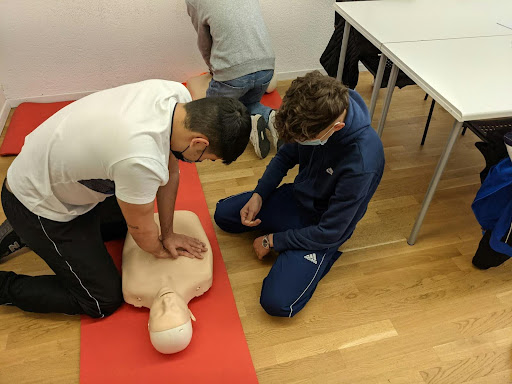
Have you ever wondered what would happen if an emergency struck your home? Accidents and sudden health issues can happen to anyone, at any time. Knowing life-saving skills can make a big difference in critical moments.
Every household member should be ready to act to protect themselves and others. These skills are simple but require learning and practice. Knowing them builds confidence and keeps the whole family safer.
This guide will show practical tips that can help save lives. Read on!
Fire Safety Awareness
Fires can spread fast and cause serious harm. Every household member should know how to use a fire extinguisher and the quickest escape routes. Following simple fire safety rules reduces panic and prevents accidents.
Smoke detectors should be installed and tested every month. Doing family fire drills helps everyone remember how to exit safely.
CPR and Basic First Aid
CPR is a key skill everyone should know. It can help keep someone alive during a heart attack until help arrives. Basic first aid, like treating cuts or choking, allows quick and effective action in emergencies.
Signing up for a MyCPR NOW First Aid Certification course gives hands-on training. It teaches correct techniques and builds confidence for real situations. Regular practice ensures everyone is ready when seconds count.
Emergency Contact Knowledge
Carrying emergency phone numbers is very important. Members should either know by heart how to get in touch with local emergency services or keep a written list. While an incident is happening, quick calls can save very important time.
The list should include doctors, neighbors, and family members. Hold it up where people can see it, like in the kitchen, the bedroom, or on their phones.
Water Safety
In pools or other water nearby, people can drown very quickly. It’s important to learn how to swim and do CPR. Accidents can be avoided by knowing the risks in water and the rules for supervision.
Get better at rescue skills by doing things like reaching for things or throwing them without jumping in. Pool fences and flotation devices make things safer.
Severe Weather Preparedness
Bad weather can come out of nowhere, so it’s important to be ready. Injuries can be avoided by learning how to keep your home and family safe. Everyone can act faster when they follow weather alerts.
Put together an emergency kit with flashlights, water, and first-aid supplies. Family plans should be looked over often so that everyone knows where to go during storms, tornadoes, and floods.
Medication and Allergy Management
In some emergencies, people have allergies or health problems that need quick care. Everyone should know what to do if someone is allergic and what their allergies are. Keeping medications in order makes it easier to treat issues quickly.
If you need to, learn how to use an epinephrine injector or how to handle insulin. To always be ready, check the dates on things that are about to go bad and restock as needed.
Life-Saving Skills That Everyone in Your Household Should Master
It’s safer for everyone in the house if they know how to save lives. Learning CPR, first aid, fire safety, and how to plan for an emergency gives you confidence when things are dangerous.
When you use these skills, you can put what you’ve learned to use when it matters the most. Having emergency contacts, medications, and safety gear on hand ensures that help can be sent quickly. By learning and using these skills, a family can lower their risks and improve their chances of staying alive.
Did you like this guide? Great! Please browse our website for more!