
 By Prime Star
Australian summers can be intense. When the heat kicks in, most of us turn to our air conditioners without thinking twice. Comfort matters, but the downside shows up fast in the form of higher energy bills. The good news is you don’t have to choose between staying cool and saving money. With a few smart habits and some upgrades, you can get through summer comfortably while keeping your costs under control.
If you live in Victoria, there is even more good news. There are government-backed programs that support energy-efficient cooling, including options like the Victorian energy rebate. We will touch on those later, but first, let’s look at what you can do at home right now to keep your house cool without draining your wallet.
Understand how heat enters your home
Before talking about gadgets and upgrades, it helps to know why your house heats up so quickly in summer. In most homes, heat enters in three main ways:
- Sunlight through windows
- Warm outside air coming in through gaps
- Heat transfer from your roof and walls
Once you know this, energy-saving steps make more sense. Instead of only trying to cool the inside, you also reduce the heat coming in to begin with. That means your air-conditioning system doesn’t have to work as hard.
Block the heat before it starts
You don’t always need expensive technology to control heat. Simple, low-effort steps can make a big difference.
Close blinds and curtains during the day
Sunlight is one of the biggest contributors to indoor heat. Keeping blinds closed on the sunny side of your home can lower indoor temperatures noticeably. Blackout curtains or reflective blinds work even better.
Use external shading if possible
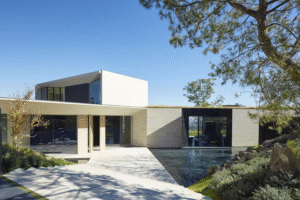
Awnings, external shutters, and even leafy plants near windows help block heat before it reaches the glass. If you own your home, consider shading solutions for windows facing west, as that side gets the hottest afternoon sun.
Improve your home’s airflow
Airflow matters. If hot air stays trapped in your home, it feels stuffy even when the temperature is moderate. Better airflow helps you feel cooler without lowering the temperature too much.
Use fans the smart way
Ceiling fans and portable fans don’t cool the air. Instead, they help your body feel cooler by improving air movement. Set ceiling fans to spin counter-clockwise in summer. This pushes air downward, creating a breeze effect.
You can also combine fans with your air conditioner. Set your AC temperature a little higher, and let a fan do the work of making you feel comfortable. Even raising your AC by 1-2 degrees can reduce your power usage.
Night-time ventilation
When outdoor temperatures drop in the evening, open windows to let cooler air in. You can place one fan facing outside to push warm air out and another facing in to bring cool air inside. Just remember to close everything again in the morning before the heat returns.
Seal gaps and insulate your home
Even if your AC works well, gaps and poor insulation can undo its hard work. Cool air escapes and hot air sneaks in, causing your system to run longer and costing you more money.
Seal gaps around windows and doors
Small gaps add up. Sealing strips, rubber door seals, and caulking are cheap fixes that can make a noticeable difference.
Insulate your roof
Roof insulation helps keep heat out during summer (and warmth in during winter). If your roof isn’t insulated, or if your insulation is old or flattened, upgrading it is a worthwhile investment. It keeps your home cooler naturally.

Use your air conditioner efficiently
Your air conditioner is your biggest friend in summer, but it can also be one of your biggest expenses. Using it smartly can cut your bills without reducing comfort.
Set the right temperature
A huge mistake people make is setting their AC too low. Each degree lower can increase your energy use. In summer, aim for around 24–26°C. It balances comfort and energy savings.
Cool only the rooms in use
If you have a split system, close doors to rooms you aren’t using. You don’t need to cool the entire house when you’re spending time in just one area.
Keep vents clear
Make sure furniture, curtains, or plants are not blocking air flow from your unit. Good air flow improves performance and cooling.
Regular maintenance
Clean or replace filters every few months during peak use. Dust and grime reduce air flow, forcing the system to work harder. Also, check outdoor units and keep them clear of leaves, dirt, or objects blocking ventilation.
Reduce indoor heat loads
Sometimes, the heat is coming from inside too. Everyday activities and appliances add warmth.
Avoid cooking during the hottest hours
Ovens and stoves release a lot of heat. If you can, cook early in the day or choose meals that don’t require long cooking times. Slow cookers, air fryers, or even outdoor BBQs can help avoid heating up your kitchen.
Use heat-generating appliances wisely
Try to run dishwashers, washing machines, and dryers at night. Use cold water for washing clothes when you can. Switching to LED light bulbs also helps because they generate less heat than older bulbs.
Think about smarter upgrades
Modern cooling technology is far more efficient than older systems. If your air conditioner is more than 10 years old, upgrading can reduce your energy consumption noticeably. New split-system heat pumps, for example, offer cooling in summer and efficient heating in winter.
This is where Victorian government split system rebate becomes useful. They help reduce the cost of installing energy-efficient systems, making it easier to upgrade without overspending. These programs were created to support households in improving their energy efficiency and lowering long-term power bills.
Upgrading through an approved provider also means proper installation and higher performance. If you’re already planning to replace an old system, it’s worth looking into these options before you buy.
Add smart controls
If you’re not ready for a full upgrade, smart tools still help.
Smart thermostats or timers
Setting timers or using smart controllers ensures your AC only runs when needed. Many systems also let you track energy use, so you can see when you’re using the most electricity and adjust habits.
Create naturally cooler spaces
Good design makes a big difference. These ideas are not instant fixes, but they pay off over time.
Shade and landscaping
Trees and shrubs planted in the right places block heat and create shade over your home. Outdoor shade sails or pergolas also help create cooler outdoor areas and reduce radiant heat entering through walls and windows.
Light-coloured outdoor surfaces
Light colours reflect heat. If you’re painting exterior walls or upgrading your roof, choosing lighter tones helps lower indoor temperatures.
Manage humidity
Heat feels worse when the air is humid. If your home feels sticky, fans alone may not feel effective. Modern split systems often help reduce humidity. If your environment is especially humid, consider a portable dehumidifier. Reducing moisture in the air can make you feel more comfortable without changing the room temperature.
Schedule energy use
Electricity companies often charge higher rates during peak times. Running major appliances, or relying heavily on AC during these times, increases your bill.
Where possible, plan your heavy energy use earlier in the day or later at night. If your air-conditioning system has an eco or economy mode, use it. It allows the unit to cycle on and off more efficiently while still keeping the room cool.
Keep yourself cool too
Cooling yourself is just as important as cooling your home.
- Drink plenty of water
- Wear light, breathable clothing
- Take cool showers if needed
- Use cold packs or wet towels on your neck or wrists for quick relief
Sometimes simple actions like this let you rely less on your AC without sacrificing comfort.
When to consider professional help
If your energy bills are still high or your AC struggles to keep up, it may be time to get it checked. Professionals can:
- Inspect your system for faults
- Recommend better settings
- Evaluate if your current unit suits your space
- Suggest upgrades that qualify for government programs
As mentioned earlier, if you’re in Victoria and thinking about replacing an older system, rebates like the Victorian energy upgrades can reduce your upfront cost. Always check eligibility and make sure you work with an accredited provider. It ensures your installation meets standards and you receive the full benefit of the program.
Final thoughts
Beating the Aussie summer heat doesn’t have to come with big bills. A mix of everyday habits, smart timing, and efficient cooling can make a big difference. Block heat from entering your home, improve airflow, maintain your AC, and consider upgrades when the time is right. Programs that support energy-efficient systems make it easier than ever to stay cool and save money.
Cooling your home smartly is not just about comfort. It also means lower energy use, reduced strain on the grid, and a more sustainable way to get through those scorching summer days. With a few changes, you can stay relaxed, comfortable, and confident that you’re using energy wisely.