
 By Hamza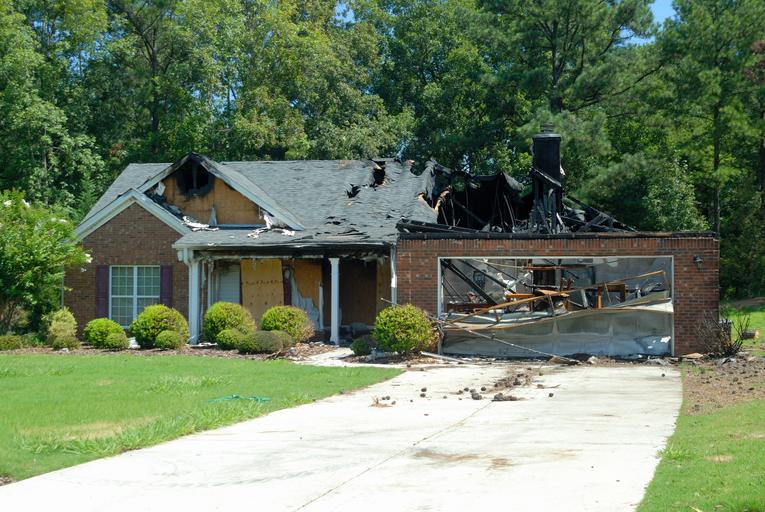
Imagine this: it’s the middle of a crisp Canadian winter night, and a burst pipe floods your basement in a matter of hours. Or perhaps a summer thunderstorm unleashes hail the size of golf balls, shattering windows and pummeling your roof. These are not rare Hollywood plots but everyday realities for many homeowners across the country. Emergency property restoration becomes a lifeline in these moments, transforming chaos into order and despair into recovery. As someone who has guided countless families through the aftermath of such events, I know firsthand how overwhelming it can feel. Yet, with the right knowledge and swift action, you can reclaim your space faster than you might think. This guide dives deep into the world of emergency restoration, offering practical advice tailored to our unique Canadian landscape, from Atlantic gales to Prairie twisters.
One of the most insidious challenges in these crises is the hidden damage that lingers long after the initial shock. Take fire incidents, for example, where soot and residue seep into every crevice, compromising air quality and structural integrity. Addressing these promptly is crucial, and that’s where specialized interventions like those from smoke odor removal experts prove invaluable in neutralizing pervasive smells and safeguarding health. By tackling these elements head-on, restoration efforts can proceed more smoothly, allowing families to focus on healing rather than constant reminders of the loss.
Understanding the Scope of Home Emergencies in Canada
Canada’s diverse climate breeds a variety of property threats, each demanding a tailored restoration approach. Flooding tops the list, often triggered by heavy spring thaws, sewer backups during intense downpours, or even melting snow overwhelming urban drainage systems. Structural damages from floods alone cost homeowners around $2 billion annually, underscoring the financial and emotional toll. Then there are fires, sparked by everything from faulty heating systems in chilly months to unattended barbecues in milder seasons. Windstorms and hail, particularly in the Prairies and Ontario’s Great Lakes region, can ravage exteriors, while earthquakes in British Columbia remind us that seismic risks lurk beneath the surface.
What ties these together is their unpredictability and the cascading effects they unleash. A simple water leak might seem minor at first, but left unchecked, it fosters mold growth within 24 to 48 hours, turning a quick fix into a health hazard. Fires, meanwhile, leave behind not just charred materials but corrosive byproducts that weaken drywall and HVAC systems over time. In 2024, severe weather events alone drove insured damages past $8 billion nationwide, the highest on record and a stark signal of how climate patterns are amplifying these vulnerabilities.
The good news? Modern restoration techniques, honed by years of responding to Canada’s extreme conditions, make recovery more efficient than ever. Professionals use advanced tools like thermal imaging cameras to detect moisture behind walls and industrial-grade air scrubbers to purify indoor environments. Understanding these emergencies equips you to act decisively, minimizing downtime and costs.
Your First Moves: Prioritizing Safety and Containment
When disaster strikes, the clock starts ticking immediately. The average homeowner’s instinct might be to grab a mop or fan, but rushing in without a plan can exacerbate the problem. Start with safety: evacuate if necessary and alert authorities. For water events, shut off the main water supply to halt further intrusion. In fire scenarios, wait for official clearance before re-entering, as structures can remain unstable.
Next, document everything. Snap photos and videos of the damage from multiple angles, noting the time and conditions. This isn’t just for your records; it’s gold for insurance adjusters later. Secure the site by boarding up broken windows, tarping roofs, or placing sandbags around entry points. These steps prevent secondary issues like looting or additional weather exposure.
Contact your insurer right away, ideally within the first hour. Most Canadian policies cover sudden and accidental damages, but delays can complicate claims. While waiting, avoid eating or drinking from affected areas to steer clear of contaminants. If pets or vulnerable family members are involved, arrange temporary shelter. These initial actions set the foundation for a smoother restoration, often reducing overall expenses by up to 30 percent through proactive containment.
The Restoration Roadmap: A Phased Approach to Recovery
Once the immediate threats are managed, restoration unfolds in structured phases, each building on the last. Phase one: assessment. Certified technicians arrive with moisture meters, air quality testers, and structural evaluators to map the full extent of harm. This isn’t a cursory glance; it’s a forensic-level inspection that identifies risks like hidden mold or electrical shorts.
For water-damaged properties, extraction follows swiftly. Powerful truck-mounted vacuums remove standing water, while dehumidifiers and high-velocity fans accelerate drying. In humid Canadian summers, this can take days, but portable units make it feasible even in remote areas. Cleaning comes next, with antimicrobial treatments to kill bacteria and spores. Porous items like carpets may need replacement, but salvageable ones get deep shampooed or steam-cleaned.
Fire restoration mirrors this but with added layers. Soot removal requires specialized vacuums to avoid spreading particles, followed by ozone treatments or thermal fogging to eliminate odors. Walls and ceilings often demand stripping to bare studs, then rebuilding with fire-resistant materials compliant with the National Building Code. Regardless of the cause, every phase includes progress reports and your input, ensuring the end result aligns with your vision.
Technology plays a starring role here. Drones survey roof damage in hard-to-reach spots, and apps track drying progress in real-time. In colder climates, heated enclosures maintain optimal temperatures during winter repairs, preventing freeze-thaw cycles from cracking newly installed materials. The entire process, from call to completion, typically spans two to eight weeks, depending on severity.
Demystifying Insurance: Your Ally in the Aftermath
Navigating claims can feel like wading through paperwork quicksand, but it’s a pivotal piece of restoration. Gather your policy details upfront, including coverage limits for contents, additional living expenses, and overland water protection, which isn’t always standard in Canada. When the adjuster visits, walk them through the site with your documentation in hand, highlighting overlooked spots.
Expect pushback on some items; insurers scrutinize to prevent fraud, but persistence pays off. If disputes arise, invoke the province’s insurance ombudsman services, like Alberta’s General Insurance OmbudService. Many restoration firms partner directly with providers, streamlining approvals and estimates. This collaboration cuts red tape, letting crews start sooner.
Budget for deductibles and potential upgrades, too. Post-restoration, consider enhancing your policy with riders for flood or earthquake coverage, given rising risks. A well-handled claim not only covers costs but rebuilds confidence in your safety net.
Building Resilience: Prevention Strategies for Tomorrow
Restoration mends the present, but prevention fortifies the future. Start with a home audit: inspect attics for ice dams, basements for sump pump functionality, and exteriors for storm vulnerabilities. Install smart leak detectors that alert your phone at the first drip, or upgrade to impact-resistant roofing in hail-prone zones.
Landscaping matters, too. French drains and rain gardens divert water away from foundations, while native plants reduce erosion. For fires, keep gutters clear and chimneys serviced annually. Community resources like municipal hazard maps can pinpoint local threats, guiding targeted investments.
Education empowers. Join workshops from organizations like the Canadian Red Cross on emergency kits and family plans. These proactive steps don’t eliminate risks but shrink their impact, buying time for professional intervention when needed.
Reclaiming Normalcy: The Light After the Storm
Emergency property restoration is more than repairs; it’s about restoring lives. The journey from devastation to renewal tests resilience, but it also reveals our capacity for rebound. Families emerge stronger, homes more secure, and communities more connected through shared stories of survival.
If you’re facing a crisis now, remember: help is a call away. Reach out to trusted professionals early, lean on your network, and give yourself grace in the process. Your sanctuary deserves to stand tall again, ready for whatever comes next. In Canada’s vast tapestry of weather and wonder, preparedness turns potential tragedy into a mere chapter, not the whole story.