
 By Prime Star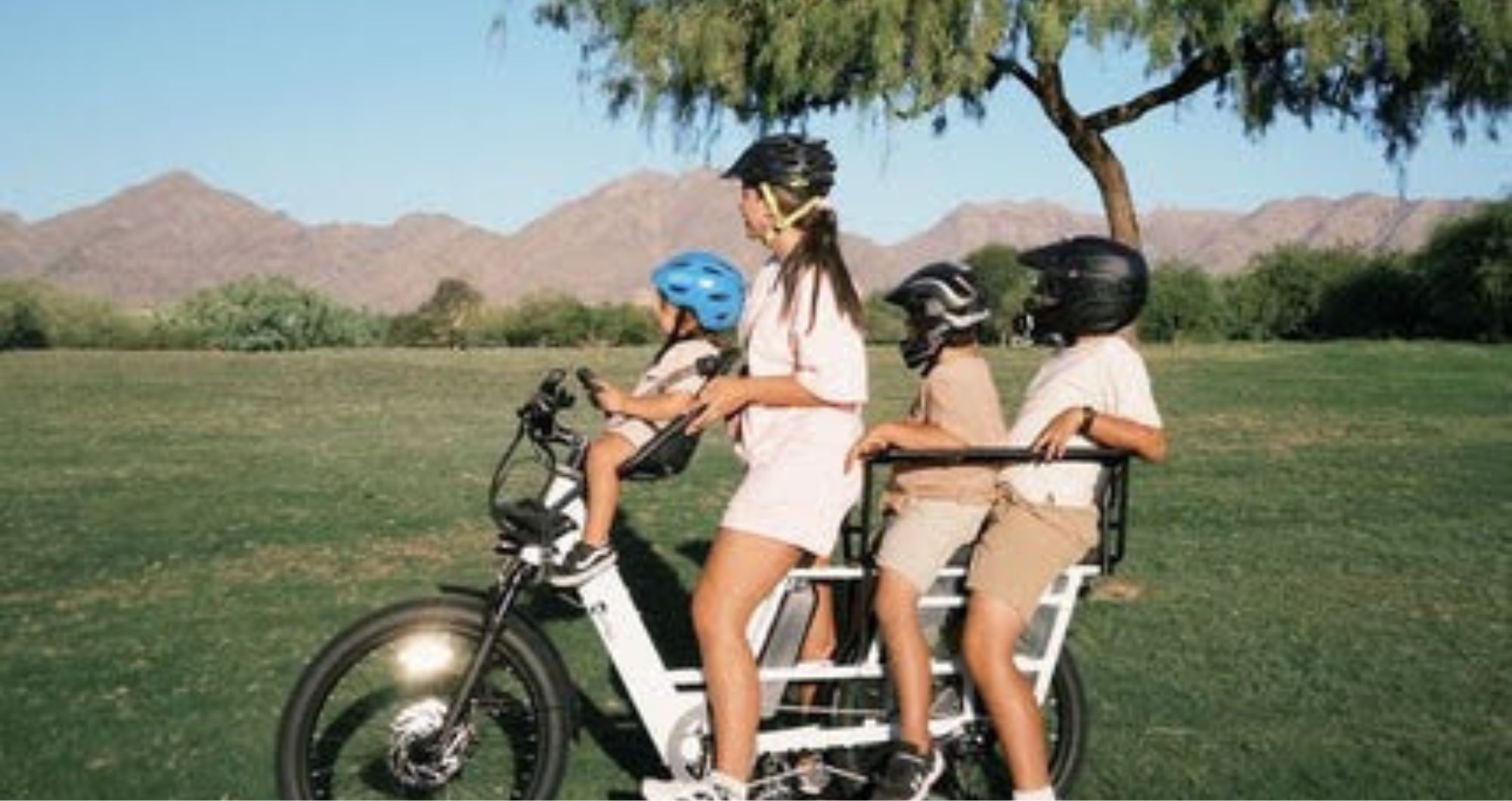
Electric cargo bikes are built to carry real weight—kids, groceries, tools, packages—so range matters more than it does on a standard commuter e-bike. The good news: with the right battery size and riding habits, an electric cargo bike can easily cover daily errands and school-run loops, and some setups can stretch into all-day territory.
What Is the Typical Range of an Electric Cargo Bike?
A typical cargo ebike lands around 20–60 miles (32–96 km) per charge in everyday riding. Lighter loads, flatter routes, and lower assist can push you higher; heavy cargo, hills, and higher speeds pull that number down. That spread is wider than “regular” e-bikes because cargo bikes do more work: they’re heavier, they face more rolling resistance, and they’re often ridden stop-and-go with extra mass.
One more reality check: manufacturer range claims are usually best-case. In the real world—wind, traffic lights, hills, and a loaded rack—expect something closer to “comfortable range” than “maximum possible range.” Bosch’s own range tools emphasize that estimates vary with conditions, which is exactly what cargo riders feel day to day.
Key Factors That Affect Electric Cargo Bike Range
Battery Capacity (Wh Matters More Than Voltage)
If you only remember one battery tip, make it this: watt-hours (Wh) are the fuel tank. Voltage matters for system design, but Wh tells you how much energy you actually have.
Most cargo-focused batteries commonly sit in the 500Wh–1000Wh+ range, and higher explained Wh is what buys you distance. As a quick mental model:
- Bigger Wh = more potential miles
- Heavy loads and high assist = more Wh used per mile
Cargo Weight and Load Type
Cargo weight hits range in two ways: it increases rolling resistance all the time, and it forces the motor to work harder during starts and climbs.
Rider weight and cargo weight both count, but how you carry the load matters too:
- Kids are “alive weight” (they wiggle, you accelerate smoothly, you brake more carefully)
- Groceries/tools can be dense and low (often easier on stability if packed well)
- Delivery loads tend to mean lots of stops, which is sneakily expensive for battery
Motor Type and Power Output
Both hub and mid-drive systems can work well on a cargo electric cargo bicycle, but they behave differently under load.
- Mid-drives often feel more efficient on hills because they can leverage your bike’s gears.
- Hub motors can be simple and strong, but heavy-load hill climbing can demand more power.
In general, the more torque you demand—steep grades, quick starts, heavy cargo—the faster your battery drains.
Terrain, Riding Style, and Speed
Cargo range is rarely “steady cruising.” It’s lights, turns, curb cuts, and short bursts of acceleration.
A few range killers:
- Hills, especially repeated climbs
- Stop-and-go riding, especially with a heavy rear load
- Higher speeds, because wind resistance rises fast as you go faster
Electric Cargo Bike Range by Bike Type
Long-tail electric cargo bikes often deliver the best balance of range and practicality. They’re usually lighter than front-loaders and trikes, and they roll efficiently.
Front-load (bakfiets) electric cargo bikes are amazing for stable kid and grocery hauling, but they’re typically heavier and push more air up front—both can trim range.
Trike electric cargo bikes offer unbeatable low-speed stability, but the extra wheel and added mass usually cost you some efficiency, especially on longer rides.
How Far Can an Electric Cargo Bike Go With a Full Load?
With a light load, you might ride close to the upper end of your bike’s “everyday range.” With a full load—two kids plus backpacks, or a stacked delivery setup—plan for a noticeable drop.
A practical way to think about it:
- Short-trip family use: plenty of buffer, even with heavier loads (school, park, grocery store)
- All-day riding: you’ll want conservative assist, smoother starts, and possibly a charging plan
If you’re consistently finishing rides at 10–20% battery, that’s a sign you’re right on the edge of your routine range—and a second charger or bigger battery starts to make sense.
Pedal Assist Levels and Their Impact on Range
Assist level is basically a “how fast do you want to spend your battery?” dial.
- Eco mode: best range, still feels like “super legs”
- Turbo mode: great for hills and heavy starts, but it can cut range dramatically
- Throttle-heavy riding: convenient, but usually less efficient than contributing steady pedaling
Cadence and gearing matter too. Spinning a bit easier and letting the motor assist smoothly is typically more efficient than mashing hard in a tall gear.
How to Estimate Your Real-World Cargo Ebike Range
A simple planning method is:
- Find your battery Wh
- Assume a conservative “Wh per mile”
- Divide Wh by that number to get a usable estimate
Instead of trusting a single “remaining miles” number on the display, use the battery percentage as your anchor. Over a week, you’ll learn patterns fast—like how much battery your usual grocery loop eats in winter or with a heavier load.
If you’re stretching distance, plan routes with “easy outs”:
- A café you can top up near
- A workplace outlet
- A mid-day charging stop on delivery shifts
How to Increase Electric Cargo Bike Range
A few habits make a bigger difference than people expect:
- Ride smoother: gentle starts, steady pace, fewer “sprint to the next light” moments
- Keep tires properly inflated: low pressure = drag (and more battery use)
- Reduce mechanical losses: clean chain/belt, aligned brakes, healthy bearings
- Care for the battery: don’t store it fully empty, and avoid cooking it in hot cars
Single Battery vs Dual Battery Cargo Bikes
Dual batteries make sense when your rides are long, your loads are heavy, or you can’t reliably charge mid-day. The upside is obvious: more Wh, more range, less anxiety.
The trade-offs:
- Extra weight
- Higher cost
- More to manage (two packs, charging routine, storage)
If your routine is predictable and under your comfortable range, a single battery is usually simpler and plenty.
Is Electric Cargo Bike Range Enough for Daily Use?
For most people, yes. An electric cargo bike is often replacing short car trips, not cross-county rides.
- Commuting + school runs + errands: usually well within a practical daily range
- Delivery and commercial use: doable, but plan for charging or consider dual-battery setups
- When you “need” more: frequent hills, heavy payloads, winter riding, or back-to-back long routes
Letrigo Minivan SE Range in Daily Life
If your daily riding looks like real life—drop the kids off, swing by the store, detour to the library, then roll home—range is less about “maximum miles” and more about finishing the day without babying the battery.
The Letrigo Minivan SE is a long-tail cargo ebike designed for exactly those practical loops. It’s listed with a 48V 14Ah battery and a stated range of up to about 40 miles (64 km), which fits the “daily errand engine” use case: school runs, grocery stops, and neighborhood commuting without feeling like every ride needs a charging plan.
It also pairs a 750W rear hub motor with torque sensing and strong hydraulic braking, which matters when your “cargo” includes a squirmy passenger and a heavy bag of groceries at the same time.
Final Thoughts
A “good” range is the one that matches your week.
- If you mostly do short errands and school runs, a reliable 20–30 miles (32–48 km) is often enough.
- If you want freedom to roam, detour, or skip charging for a day, 40+ miles (64+ km) feels comfortable.
- If you ride commercially or do long days, look for higher Wh, efficient riding modes, and consider dual batteries.
Pick your battery like you’d pick a car’s gas tank: not for the one road trip you take once a year, but for the routes you actually ride every week.