 By IQnewswire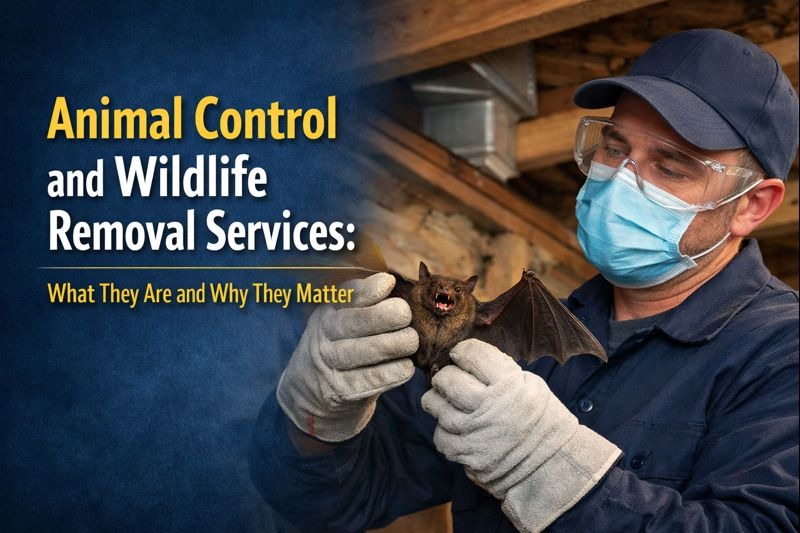
Wild animals are a part of nature, but when they enter your home, they can quickly become a serious problem. Many homeowners face unexpected issues like scratching noises in the attic, droppings in the garage, damaged vents, or a strong bad smell coming from hidden areas. These situations can be stressful, unsafe, and expensive if ignored.
That’s where animal control and wildlife removal services come in. These services are designed to help homeowners remove unwanted animals safely and prevent them from returning. In this article, you will learn what animal control means, what wildlife removal includes, the most common animals found in homes, and how professionals solve the problem the right way.
What Are Animal Control and Wildlife Removal Services?
Animal control and wildlife removal services are professional solutions for handling unwanted animals on residential and commercial properties. The goal is not just to “remove an animal,” but to fix the full problem in a safe and long-term way.
These services usually include:
- Identifying the animal type
- Finding entry points into the home
- Safe removal or humane trapping (depending on the situation)
- Sealing gaps and weak areas to prevent re-entry
- Cleanup and sanitation when needed
- Repairing damage caused by animals
This is important because many animals return if the entry point is not sealed properly.
Common Wildlife Problems Homeowners Face
Different animals behave in different ways, but most wildlife problems fall into a few common situations.
1) Animals living in the attic
Attics are warm, quiet, and safe from predators. Animals like squirrels, raccoons, and bats often enter through small roof gaps or vents.
2) Animals under decks and porches
Skunks, groundhogs, and opossums often take shelter under decks because the area is dark and protected.
3) Rodents inside walls
Mice and rats can enter through very small gaps and move inside walls, ceilings, and basements. They can reproduce fast and become a major problem.
4) Birds nesting in vents
Birds may build nests in dryer vents or roof openings. This can block airflow and create fire risks.
Animals Most Often Removed From Homes
Wildlife removal experts commonly deal with:
- Raccoons (often in attics, chimneys, or crawl spaces)
- Squirrels (roof entry, attic nests, chewing damage)
- Bats (attics and roof gaps, droppings issues)
- Skunks (under porches, bad odor, digging)
- Opossums (under decks, garages, sheds)
- Rats and mice (walls, basements, kitchens)
- Birds (vents, roof corners, chimneys)
- Groundhogs (burrows in yards and near foundations)
Even small animals can create big damage when they stay inside a property for too long.
Why Wildlife Enters Homes in the First Place
Many homeowners ask: “Why is this happening to my home?”
There are a few simple reasons:
Warmth and shelter
During cold weather, storms, or heavy rain, animals look for warm and dry places.
Food sources nearby
Open trash cans, pet food outside, bird feeders, and even gardens can attract wildlife.
Easy access
If your home has weak spots like broken vents, roof gaps, or loose soffits, animals can enter easily.
Nesting and breeding
Some animals look for safe places to have babies. Attics and crawl spaces are ideal for that.
Signs You May Need Wildlife Removal Help
Sometimes animals hide well, so it’s important to know the warning signs. Common signs include:
- Scratching or running sounds above the ceiling
- Noises inside walls, especially at night
- Droppings in attic, garage, or basement
- Bad smell coming from hidden areas
- Torn insulation and nesting material
- Chewed wires, wood, or plastic
- Visible holes near vents or roof edges
- Trash cans knocked over regularly
If you notice these signs, it’s best to take action quickly to prevent further damage.
What Happens During a Professional Wildlife Inspection?
A professional inspection is one of the most important steps. During an inspection, experts look for:
- Animal entry points and damage areas
- Tracks, droppings, nesting material
- Roofline gaps, broken vents, chimney openings
- Signs of multiple animals or baby animals
- Risk areas that could cause future problems
This helps create a proper plan instead of guessing.
The Right Way to Solve Wildlife Problems (Not Just Remove Them)
Many people think the job is done once the animal is removed. But in reality, the biggest problem is often the entry point.
A complete solution usually includes:
Safe removal
The animal must be removed without causing harm, property damage, or danger to people.
Exclusion and prevention
Entry points must be sealed using strong materials so animals cannot re-enter.
Cleanup and sanitation
Some cases require cleaning droppings, urine stains, and nesting areas to reduce smell and health risks.
Repair work
If vents, insulation, or roof edges are damaged, repairs are needed to fully protect the home.
This full process provides better long-term results.
Why DIY Wildlife Removal Can Make Things Worse
Many homeowners try to handle wildlife problems themselves. While small issues may seem simple, wildlife removal can be risky.
DIY can lead to:
- Bites, scratches, or injuries
- Trapping the wrong animal
- Leaving baby animals behind
- Strong odors from hidden droppings or dead animals
- The same animal returning again
- More damage over time
That’s why many homeowners prefer trained wildlife experts who know how to remove animals safely and prevent future issues.
Simple Prevention Tips to Protect Your Home
Here are some easy ways to reduce the chances of wildlife entering your home:
- Keep trash cans tightly closed
- Do not leave pet food outside overnight
- Trim tree branches away from the roof
- Fix roof gaps, vents, and broken siding
- Install strong chimney caps
- Cover attic vents with metal screens
- Close small holes near the foundation
- Keep garages and sheds closed properly
These small steps can prevent big problems later.
Final Thoughts
Animal control and wildlife removal services help protect homes from unwanted animals, property damage, and stressful situations. The best solutions are always safe, professional, and focused on long-term prevention—not just quick removal.
If you notice signs of wildlife activity, it is smart to act early. Early action can save money, reduce damage, and keep your home safe and comfortable.