
 By IQnewswire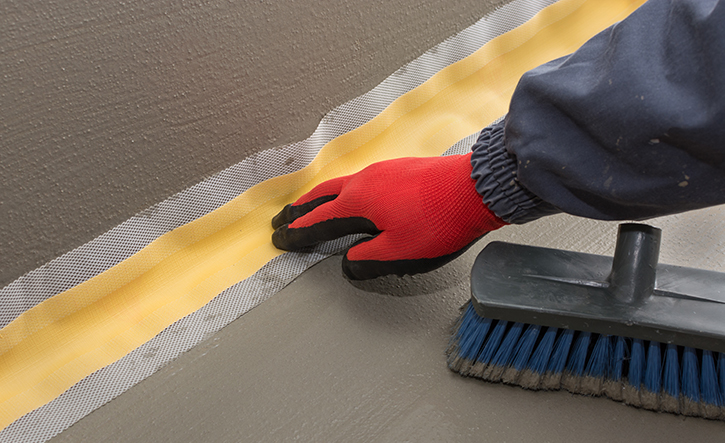
For many Canadian homeowners, the basement represents both a valuable living space and a persistent source of concern. Given our country’s dramatic shifts from frozen winter soil to heavy spring rainfall, the foundation of a house is under nearly constant environmental stress. When the ground becomes saturated, hydrostatic pressure builds up, forcing groundwater against the concrete. Without an effective system to manage this water, it will eventually find its way into the basement, causing dampness and structural damage.
In regions with heavy clay or high water tables, standard wall sealants are often not enough. A more comprehensive approach to moisture management is required – one that focuses on relieving pressure and redirecting water away from the structure.
The Power of Professional French Drain Installation
One of the most reliable methods for managing sub-surface water is a professional french drain installation. In an interior context, this system involves a perforated pipe installed within a trench at the perimeter of the basement floor. This pipe is surrounded by clean gravel to allow for efficient water filtration and debris management.
As water collects under the foundation slab, the French drain intercepts it and directs it toward a sump pump, where it is safely discharged away from the home. Experts at Leaquida Waterproofing emphasize that this internal drainage system is particularly vital in older Canadian neighborhoods where original external weeping tiles may have collapsed or become clogged over time. By managing the water table from within, you ensure that the basement remains dry even during the most intense spring thaws.
A Systematic Approach to Dry Living Spaces
A successful interior waterproofing project is never about a single fix; it is a layered defense. Beyond the drainage pipe, high-density polyethylene membranes are often applied to the interior foundation walls. These dimpled boards act as a barrier, allowing any moisture that permeates the concrete to flow downward into the drainage system rather than through your drywall or flooring.
This integrated method is a core specialty of Leaquida Waterproofing, where the focus is on creating a “closed” system that manages humidity and prevents the growth of black mold. By keeping the air dry and the concrete protected, you significantly increase the longevity of your home’s structural components. It also allows you to finish your basement with the confidence that your investment is secure from moisture damage.
Investing in Property Resilience
Choosing a professional partner like Leaquida Waterproofing means investing in peace of mind. In the Canadian real estate market, a dry, waterproofed basement is a significant asset that increases a home’s resale value. It demonstrates that the property has been maintained with a forward-thinking strategy that accounts for the local climate’s unpredictability.
As weather patterns continue to shift toward more frequent heavy precipitation, a reliable interior defense is no longer a luxury—it is a necessity. Addressing vulnerabilities now ensures your home remains a safe, healthy environment for your family for decades to come.
Conclusion: Protecting the Foundation of Your Life
Ultimately, interior waterproofing is about taking control of your home’s environment. While you cannot stop the seasonal rain or snowmelt, you can ensure that your foundation is prepared to handle it. By combining advanced drainage technology with professional expertise, you can transform a damp, vulnerable basement into a permanent, dry part of your living space.