
 By Prime Star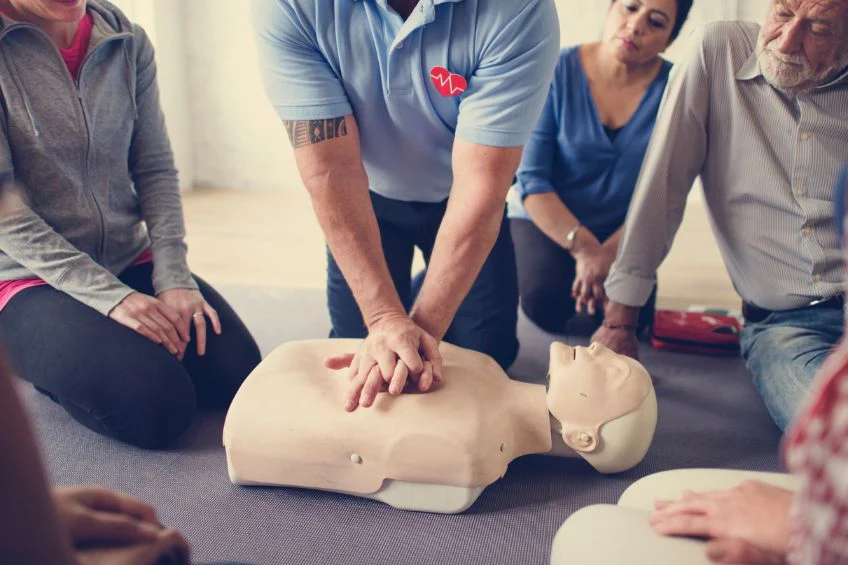
Introduction:
Cardiopulmonary Resuscitation (CPR) is one of the most important life-saving skills you can learn. Whether you are a healthcare provider, a teacher, a parent, or someone who simply wants to be prepared for emergencies, having CPR certification is invaluable. The ability to perform CPR can help save lives in situations like cardiac arrest, choking, or drowning. In this article, we’ll guide you through the steps to get your CPR certification and highlight the many benefits it brings to you and those around you.
1. Why CPR Certification is Important
CPR is a critical skill in emergency situations, and being CPR certified means you’re ready to help someone in need. Here’s why it’s so important:
- Saves Lives: CPR helps maintain blood flow to vital organs, especially the brain, when the heart stops. Immediate CPR can double or triple the chances of survival for someone experiencing cardiac arrest.
- Confidence in Emergencies: Knowing CPR empowers you to act quickly and efficiently in an emergency, which can make all the difference.
- Essential for Many Professions: CPR certification is often required for professionals in fields like healthcare, education, and fitness, where emergencies can occur at any time.
2. Steps to Get Your CPR Certification
Getting CPR certified is easier than you might think. Here’s a step-by-step guide to help you through the process:
a) Choose a Reputable Provider
The first step is to choose a reliable and accredited CPR certification provider. Look for organizations such as the American Heart Association (AHA) or the Red Cross, which offer widely accepted CPR training programs.
- Online vs. In-Person: You can choose between online CPR courses, which offer convenience and flexibility, or in-person courses, which provide hands-on practice.
- Accreditation: Make sure the course provider is accredited so that your certification is recognized by employers, schools, and healthcare facilities.
b) Select the Right Course
There are different CPR courses depending on your needs. Some of the most common options include:
- Basic CPR: Suitable for general public use, focusing on adult CPR and AED (Automated External Defibrillator) usage.
- Pediatric CPR: Tailored for parents, teachers, and childcare providers, focusing on CPR techniques for infants and children.
- Advanced CPR (ACLS): A more advanced course, typically for healthcare professionals, covering the use of medications, advanced airway management, and other critical skills.
- First Aid & CPR Combo: Many providers offer a combined course for both first aid and CPR, which is helpful in a variety of emergency situations.
c) Complete the Course
Once you’ve chosen your course, it’s time to complete the training. The course will teach you the following essential skills:
- Chest Compressions: Proper depth and technique for effective compressions.
- Rescue Breathing: How to give rescue breaths to an unresponsive person.
- AED Use: How to properly use an AED to shock the heart back into a normal rhythm.
- First Aid Basics: For combo courses, you’ll also learn how to handle injuries like cuts, burns, and fractures.
d) Pass the Exam
After completing the course, you may need to pass a written test and/or a skills test. The written test will assess your understanding of the CPR techniques, while the skills test ensures that you can perform CPR correctly in a practical setting.
- Online Exam: For online courses, you’ll usually take a multiple-choice exam that you can complete at your own pace.
- Skills Check: Some courses require you to demonstrate CPR techniques in front of an instructor, either in person or through a virtual platform.
e) Receive Your Certification
Upon successful completion of the course and exams, you’ll receive your CPR certification. The certification typically lasts for two years, after which you’ll need to renew your certification to ensure you are up-to-date with the latest CPR guidelines.
For instance, CPR certification courses offer a certificate that is widely recognized and accepted by many employers and institutions.
3. Benefits of Getting CPR Certified
Now that you understand the steps to get certified, let’s take a closer look at the numerous benefits CPR certification provides:
a) Improved Emergency Response Skills
CPR training equips you with the skills to handle cardiac emergencies effectively. Knowing how to recognize a life-threatening situation and perform CPR can save valuable time, especially when every second counts.
- Reduce Delay in Response: CPR certification helps you act immediately, minimizing the time between the onset of an emergency and medical intervention.
- Confidence to Help: You’ll feel more confident in emergencies, knowing you have the skills to help someone in need.
b) Better Career Opportunities
CPR certification is often a requirement for various jobs, especially in healthcare, education, and fitness fields.
- Required for Many Jobs: Healthcare professionals, teachers, coaches, and daycare providers often need CPR certification as part of their job requirements.
- Boosts Resume: Having CPR certification on your resume can make you stand out to employers, demonstrating that you’re responsible, prepared, and committed to safety.
c) Increased Awareness of Safety
Taking a CPR course also increases your overall awareness of safety in emergency situations. In addition to CPR, you’ll learn about first aid and how to handle a range of medical emergencies, from choking to basic wound care.
- Community Impact: CPR certification helps you create a safer environment for everyone around you, whether at home, work, or in public.
- Empowerment: Knowing that you can be the difference between life and death gives you a sense of empowerment and peace of mind.
4. Renewing Your CPR Certification
CPR certification typically needs to be renewed every two years. As medical guidelines and techniques evolve, it’s important to stay current with the latest CPR procedures. Many providers offer recertification courses, which allow you to update your skills and extend your certification.
- Online Recertification: Many CPR providers, such as CPR certification, offer online recertification courses, making it easy to renew your certification at your convenience.
- Hands-On Refresh: Even if you’re renewing, many courses require you to demonstrate your skills to ensure you’re still able to perform CPR correctly.
Conclusion
Getting CPR certified is a vital step in being prepared for emergencies, and it’s a skill that can save lives. Whether you’re learning CPR for personal reasons or as part of your professional development, the process is simple, and the benefits are invaluable. By following the steps outlined above, you’ll be equipped to respond effectively in critical situations. To start your CPR certification today, CPR certification offers comprehensive online courses that provide everything you need to get certified and stay prepared.