
 By Ghulam Murtaza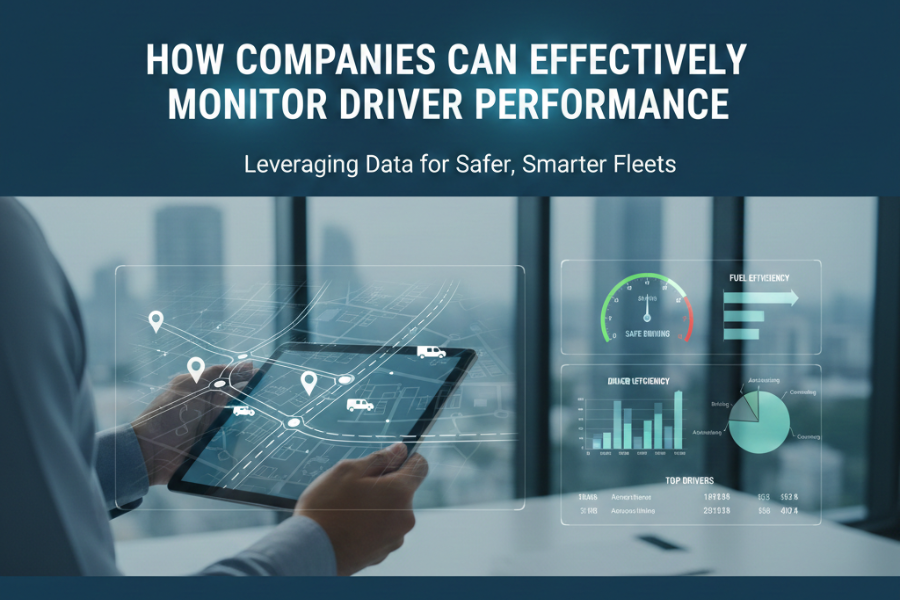
Corporate drivers and their performance behind the wheel are the biggest factors that affect the business’s productivity in fleet operations. If your drivers show high-risk behaviour on the road, it affects their safety as well as productivity and costs incurred by the business. That’s why many businesses now turn to corporate driver training to ensure low-risk behaviour and develop a safety-first mindset in the drivers. However, only providing training is often not enough. For companies that rely on vehicles every day, monitoring driver performance is a smart, proactive way to reduce risk, protect employees, and improve overall efficiency. It’s not about surveillance, but about support, accountability, and continuous improvement of the fleet performance.
With the right tools and approach, businesses can gain valuable insights into driving behaviour and use them to build safer, more confident teams. Here’s how companies can effectively monitor driver performance while creating a positive safety culture.
Use Telematics and GPS Tracking
When it comes to monitoring driver performance, fleet monitoring is the best option. Telematics and GPS tracking systems are the most common tools used for monitoring. They help fleet managers to see exactly what’s happening on the road, instead of assuming incorrectly. With these tools, businesses can get real-time data on speed, braking, acceleration, route choices, fuel usage, and driving hours. It can help them identify risky behaviours like speeding or harsh braking early on and take measures before they become bigger problems. It can also highlight positive behaviours of drivers, helping businesses to recognise drivers who consistently operate safely and efficiently.
Implement Driver Scorecards
Wondering what scorecards are? They’re a short and easily understandable summary of the key metrics of driver performance, like speeding events, fuel efficiency, idle time, and safety alerts. By turning complex data into clear and actionable information, scorecards make performance easy to understand for both drivers and managers. Both drivers and managers can see what is working, where things are going wrong, and where they need improvement. It helps increase accountability in drivers and creates a transparent system of performance management. Many corporate driver training programs use scorecards in their sessions to help drivers set realistic goals and work towards improving their scores.
Provide Regular Feedback and Training
Monitoring only works when there’s a meaningful result at the end of it. Businesses can organise regular feedback sessions to help drivers understand their data and learn how to improve. This can help them address unsafe habits early through corporate driver training, instead of waiting for an incident to happen. This is where corporate driver training services play a key role. Professional trainers know how to use performance data to tailor their training sessions and focus on real issues drivers face daily. Whether it’s managing fatigue, improving hazard awareness, or driving more smoothly, targeted training ensures drivers feel supported rather than criticised.
Install Dashcams and AI Monitoring Tools
Dashcams and AI-based monitoring tools add another layer of insight to driver monitoring. These systems capture real-time footage and can detect distractions such as mobile phone use, drowsiness, or unsafe following distances. With this knowledge, drivers can change their unsafe habits, implement defensive driving techniques, follow rules, and become better and safer drivers.
When used responsibly, dashcams protect drivers as much as they protect the company. Footage can clarify what really happened during an incident and support drivers against false claims. AI alerts can also prompt drivers to correct their behaviour instantly, preventing accidents before they occur. Paired with corporate driver training programs, this technology reinforces safe habits on the road.
Promote a Culture of Safety
More than using the latest technology, businesses should focus on building a culture of safe driving. Drivers need to understand that monitoring exists to support their safety and professional growth, not to punish mistakes. Businesses should clearly explain why monitoring tools are used, how data is handled, and how it can benefit drivers personally. Such clear, transparent, and action-oriented use of data can encourage drivers to take suggestions positively and improve performance. A strong safety culture is a core focus of effective corporate driver training.
Conclusion
Many people believe that monitoring driver performance is simply a business’s way of micromanaging things at the lowest levels. However, what they don’t realise is that driver performance monitoring is mainly about improving driver performance and building safer systems and stronger teams. By combining smart technology, clear feedback, and professional training, companies can support drivers while reducing risk and improving efficiency. With the right mix of tools and Defensive driving training services, like Corporate Driver Training Australia, businesses can turn performance monitoring into a positive force that protects people, strengthens safety culture, and drives long-term success on and off the road.