
 By Prime Star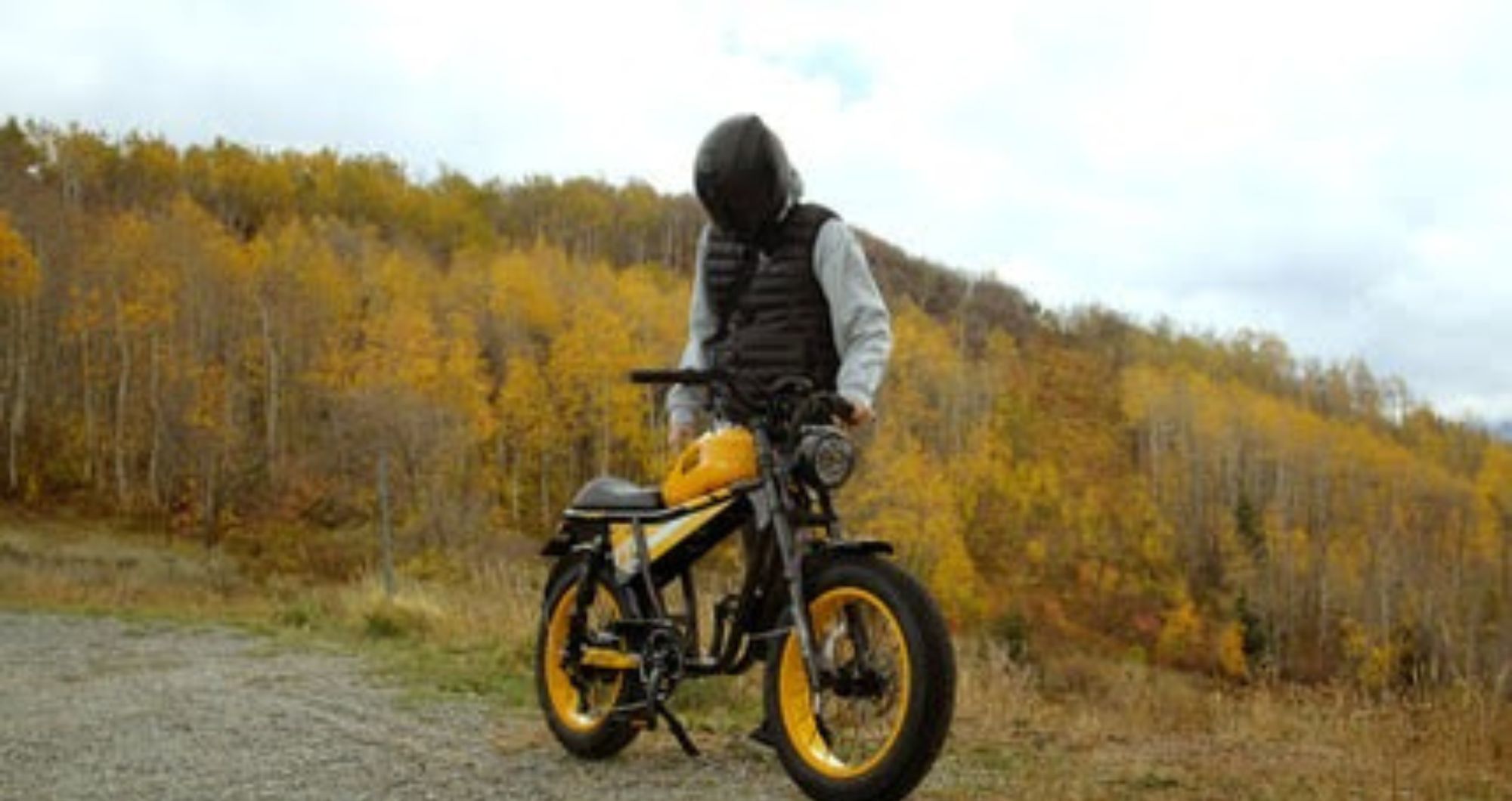
E-bikes are tough, but they’re still bikes plus electronics—so the “usual suspects” show up again and again: power, connections, brakes, tires, and sensors. The good news is most issues have a simple cause and a repeatable fix. Below are 10 common ebike problems, what they usually mean, and the safest way to troubleshoot them without turning a small issue into an expensive one.
1. Ebike won’t power on
What it feels like: No display, no lights, nothing happens.
How to fix it:
- Reseat the battery: Remove it and reinstall firmly. Many “dead” bikes are just a battery that isn’t fully latched.
- Check the battery switch/key (if your model has one). Some batteries have a physical on/off button.
- Inspect contacts: Look for dust, corrosion, or moisture on battery terminals. Wipe with a dry cloth; don’t spray cleaner into connectors.
- Check for a fuse: Some ebikes have an inline fuse near the battery cradle or in the battery housing. If it’s blown, replce with the exact same rating.
If it powers on briefly then dies, suspect a loose connection or a battery protection shutdown.
2. Display shows an ebike error code
What it feels like: The bike powers on but throws an ebike error code and may limit or cut motor power.
How to fix it:
- Power-cycle properly: Turn off, remove the battery (or unplug it if internal), wait 30–60 seconds, then reconnect.
- Reseat the “big plugs”: Unplug and firmly reconnect the display cable, motor cable, and any controller harness connectors. A partially seated plug is the #1 cause of recurring codes.
- Look for pin damage: Bent pins, water inside the connector, or a pin pushed back can trigger sensor or communication faults.
- Match the code to the manual: Many codes sound similar (hall sensor vs speed sensor vs controller comms), but fixes differ.
If a code returns immediately after reseating connections, stop riding hard—continued use can overheat the controller or motor if a sensor is failing.
3. Battery won’t charge (or charger light stays green)
What it feels like: Plugged in but no charging, or it charges for a minute then quits.
How to fix it:
- Try a different outlet first (wall outlets fail more often than chargers).
- Check the charge port: Bent pins, lint, or a slightly loose port can interrupt charging.
- Watch temperature: Many batteries won’t charge when too cold or too hot. Bring the battery to room temperature and try again.
- Confirm charger output: If you have a multimeter and know the expected voltage, you can verify the charger is producing power.
If the charger is hot, buzzing, or smells “electrical,” stop using it.
4. Range suddenly drops
What it feels like: Same route, but the battery drains way faster.
How to fix it:
- Tire pressure first: Underinflated tires can cut range dramatically. Inflate to the recommended PSI.
- Brake drag check: Spin each wheel; if it slows quickly, your pads may be rubbing. Adjust the caliper or have a shop align it.
- Chain and drivetrain: A dry chain adds resistance. Clean and lube lightly.
- Riding factors: Cold weather, headwinds, heavier cargo, or higher assist can explain a big range change.
If range loss is new and extreme, a battery cell group may be weakening—worth a professional battery test.
5. Motor cuts out under load (hills, acceleration, or high assist)
What it feels like: Power suddenly disappears then comes back later.
How to fix it:
- Check for heat: Long climbs can overheat a controller. Let it cool and try again at a lower assist level.
- Reseat motor cable at the rear axle: This area takes vibration and is a common culprit.
- Inspect for pinched wires: Look near the axle and frame guides for scuffs or crushed cable housing.
- Battery sag: Older batteries can dip in voltage under load and trigger a safety cutoff. Try a lower assist level to confirm.
Repeated cutouts on mild terrain usually point to a connection, sensor, or battery issue—not “normal behavior.”
6. Throttle works but pedal assist doesn’t (or pedal assist works but throttle doesn’t)
What it feels like: One mode is dead while the other is fine.
How to fix it:
- Check settings: Some displays let you disable throttle or change PAS behavior. Make sure nothing got toggled.
- Cadence sensor alignment: If your bike uses a cadence ring, ensure the magnet ring isn’t shifted and the sensor gap is small and consistent.
- Brake cutoffs: Many ebikes cut motor power when the brake lever sensor is triggered. If a lever sensor is stuck or misaligned, it can disable throttle/PAS. Unplug/reseat the brake sensor connectors to test.
If both throttle and PAS fail but the display is on, suspect brake sensors, a controller fault, or an error code condition.
7. Brakes squeal, feel weak, or fade
What it feels like: Loud squeal, longer stopping distance, or power that disappears on long descents.
How to fix it:
- Clean rotors with isopropyl alcohol (no oily cleaners).
- Bed-in the pads: Do 10–15 firm stops from moderate speed without fully locking the wheel.
- Pad contamination: If pads got chain lube on them, they may never feel right. Replace pads and clean the rotor.
- Hydraulic feel spongy: That often means air in the line—needs a proper bleed.
Brakes are safety-critical. If you’re not confident, a quick shop adjustment is money well spent.
8. Shifting is rough, chain skips, or gears won’t hold
What it feels like: Clicking, skipping under pressure, or ghost shifting.
How to fix it:
- Check chain wear: A worn chain causes skipping even if the cassette “looks fine.”
- Index the derailleur: Use the barrel adjuster in small quarter-turns. If it hesitates going to a bigger cog, add tension; if it hesitates going smaller, reduce tension.
- Inspect the derailleur hanger: A small bend from a tip-over can ruin shifting.
Also check that the rear wheel is fully seated in the dropouts—misalignment can throw off shifting and cause noise.
9. Flat tires keep happening
What it feels like: You fix one flat and get another soon after.
How to fix it:
- Find the cause: Run a cloth inside the tire to catch tiny thorns/wire (careful—wear gloves).
- Check rim tape: If the tube is puncturing from the inside, rim tape may be shifted or torn.
- Use the right pressure: Pinch flats happen when pressure is too low for your weight and terrain.
If you ride rough roads a lot, consider tougher tubes or sealant—especially on wider tires.
10. Wobble, vibration, or “loose” steering
What it feels like: Shaking at speed, instability, or a clunk when braking.
How to fix it:
- Headset test: Hold the front brake and rock the bike forward/back. Any knock can mean the headset needs tightening.
- Wheel check: Make sure axle nuts/through-axle are tight and the wheel is seated correctly.
- Tire seating: Look at the tire bead line; it should be even all around.
- Load balance: Heavy rear cargo can make steering light and twitchy—redistribute weight if possible.
Qiolor Tiger RE for Fewer Everyday Ebike Headaches
If you want fewer everyday ebike problems, start with a stable, easy-to-maintain setup. The Qiolor Tiger RE is built like a dependable fat tire electric bike, which can feel more planted on rough roads and help reduce pinch-flat headaches. It’s also the kind of platform where, if an ebike error code pops up, basic checks like reseating connectors and inspecting cables are straightforward.
When in doubt, focus on the basics—power, connections, tires, and brakes. Most “mystery” issues become obvious once you methodically check those four areas.